

Ring It On!
The engagement ring of the moment is most certainly the rock on Taylor Swift’s hand! Based on news reports and social media photos, her center diamond is a vintage-inspired antique cut in an elongated cushion shape set in an engraved yellow gold mounting. It’s a vintage vibe, for sure, and a nice departure from the bright white diamonds that some other celebs—hello, Georgina Rodriquez—opt to wear.
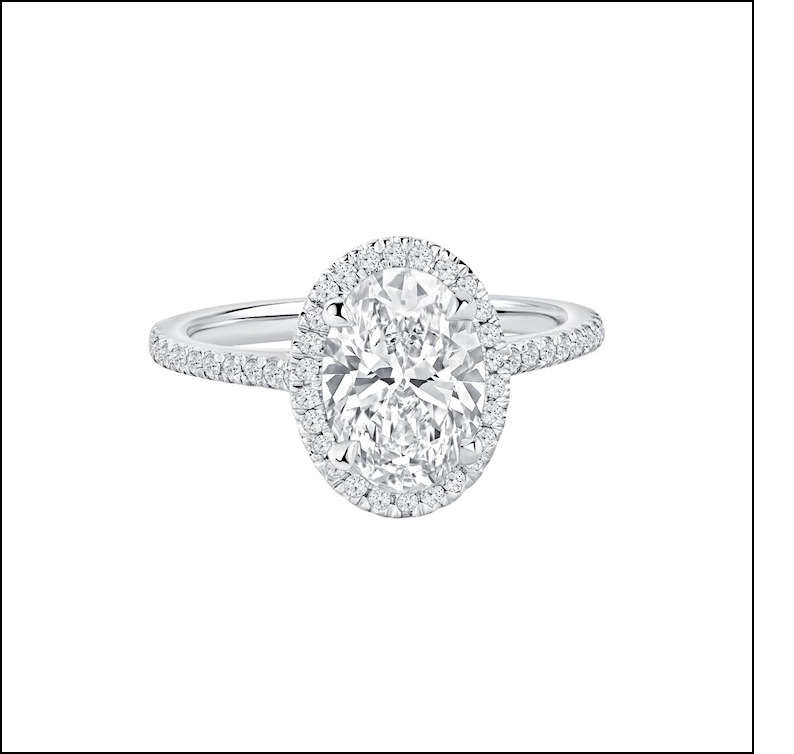
HK Designs
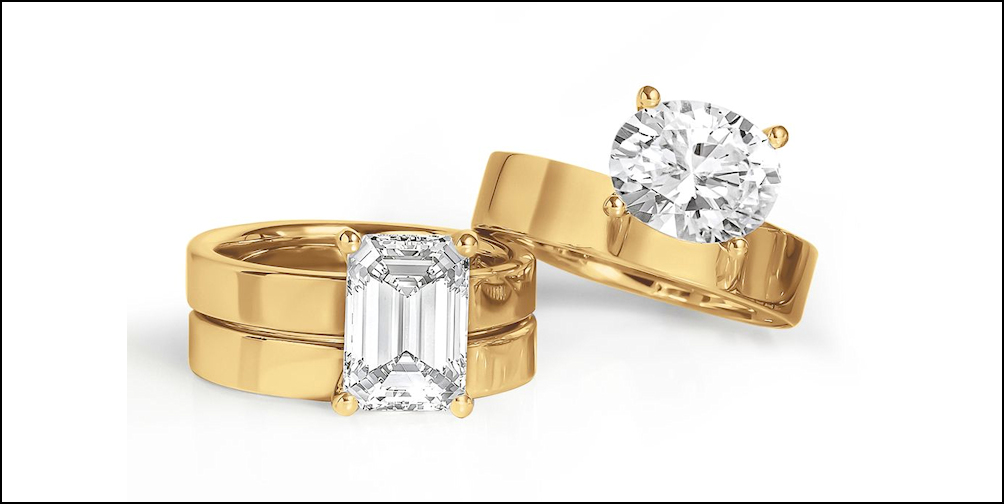
In general, many engagement ring insiders say that elongated stone shapes have been trending for years. Think of marquise, ovals, movals (a blend of a marquise cut and an oval shape), long emerald cuts, and even some lengthier geometric-inspired silhouettes.
“Ovals and any type of elongated stone shape continue to be strong,” confirms Jeffrey Cohen, president, Craft Lab Grown Diamonds, a division of H.K. Designs.
Longer shapes are pretty, more widely available because of the affordability of lab-grown diamonds, and “feel modern yet personal … while maximizing finger coverage,” says Sandeep Shah, president, Sandeep Diamond Corporation. “Ovals are especially strong because they elongate the finger and offer a larger face-up appearance, while emerald cuts appeal to clients who appreciate clean lines and understated elegance. Cushions and pears are also steadily gaining traction.”
For Treliss Worldwide Inc., pears and marquises have been hot sellers. In some cases, shoppers want to see “less metal and more diamond,” observes Aadesh Zaveri, owner. Ditto for Cynergy Trading, which is moving a lot of bezel-set and half-bezel-set center stones in elongated silhouettes, including some “sophisticated” cuts like cushions and Asschers, maintains Jeff Levitt, vice president of merchandise.
“Lab-grown diamonds (LGDs) have changed the affordability of these cuts,” he notes.
More manufacturers are experiencing similar demand. CH Hakimi, Rosy Blue, SDC, S. Kashi, and others have also been turning out fancy center shapes and modern settings due to consumer demand.
In settings, hidden halos, bezels, and solitaires are what’s sold most today. Yellow gold is back in bridal in a sweet antique-inspired way (no 1980s gold sets, thank you), and platinum, because of the high price of gold, is a real choice for many now.
Yellow gold offers a “vintage-meets-modern aesthetic that resonates with younger buyers,” according to Shah. “Today’s engagement ring buyer is rewriting tradition. They want designs that feel personal, meaningful, and unique.”

Ostbye
Frederick Goldman Inc. (FGI) sees this trend as well.
“Today’s customers arrive highly informed—often with Pinterest boards, influencer inspiration, or celebrity proposals in mind,” explain Allison Goodman, senior vice president of merchandising, and Bryan Cowan, senior vice president of customer success and business development at FGI.
Center stone sizes remain larger, too, because shoppers can get a bigger LGD than a natural, mined diamond. Jessica Zerega, merchandising director at Goldstar Jewellery, sees real growth in LGDs under $10,000, and are even “nudging out sapphires” as centers, according to Valerie Fletcher, vice president of design and product development at Original Designs / ODI.
“The [LGD] price is so attractive—even compared to colored gemstones!” she adds.
“What used to be a 1.0 to 2.0 carat purchase is now a 6.0 carat,” adds Zaveri. “Seventy percent of the diamonds we sell are lab grown.”
“As center stones get larger, customers are leaning towards timeless silhouettes with modern proportions,” add Goodman and Cowan. “Wide bands and elegant simplicity are outperforming ornate designs.”
Retro styles from the 1980s and 1990s, classics (think hidden halos), and natural diamonds still sell best for Ostbye, though yellow gold, bezels, and elongated centers are moving well.
A whole other segment of manufacturers—Indigo Jewelry, UNI-Design, KP Sanghvi, Leo Schachter Diamonds, and W.R. Cobb—are keeping bridal tradition alive with simple solitaires, halos and double halos, and a steady offering of white, rose, and yellow gold mountings. Some are even trying to revive the natural diamond business, but the jury is still out as far as the effectiveness of that effort.
“I see campaigns for naturals, but we’ll just have to see what sells,” says Zaveri.
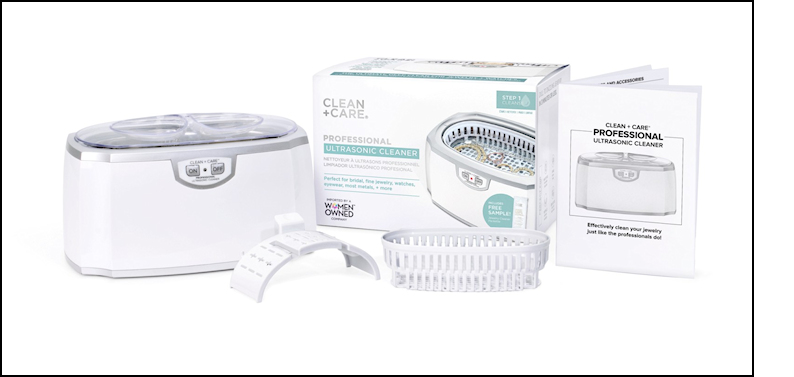
The Kingswood Company
Regardless of diamond type, every bride-to-be wants to keep it sparkling, insists Kristie Nicolosi, president and CEO of The Kingswood Company, a maker of jewelry cleaning products.
“They are fanatical about keeping them clean!” she says. Her advice to retailers? Offer multiple cleanser options in store, like Sparkle + Shine jewelry cleaning sticks, so they’re not tempted by TikTok Shop or Amazon finds.