




New from Responsible Jewelry Council
Responsible Jewelry Council the leading standards organization of the global jewelry and watch industry. It has more than 2000 member companies that span the jewelry supply chain from mine to retail. RJC Members commit to and are independently audited against the RJC Code of Practices – an international standard on responsible business practices for diamonds, colored gemstones, silver, gold and platinum group metals.
The Code of Practices (COP) addresses human rights, labor rights, environmental impact, mining practices, product disclosure and many more important topics in the jewelry supply chain. RJC also works with multi-stakeholder initiatives on responsible sourcing and supply chain due diligence.
The Laboratory Grown Material Standard (LGMS) provides a standard for ethical, social, human rights and environmental practices and is mandatory for all RJC commercial members handling laboratory grown (lab-grown) materials.
The RJC’s Chain-of-Custody Certification (COC) for precious metals is a voluntary standard defines an approach for companies to handle and trade gold, silver and platinum group metals in a way that is fully traceable and responsibly sourced.
Through the implementation of the COP, LGMS, and COC, members contribute towards the 17 Sustainable Development Goals of the United Nations 2030 agenda. RJC is a member of the ISEAL Alliance – the global association for sustainability standards and RJC is a member of the United Nations Global Compact since 2009.
For more information on RJC Members, Certification, and Standards please visit: www.responsiblejewellery.com and connect with us on Instagram, LinkedIn, X and Facebook.
Responsible Jewelry Council Interviews: Stories of Impact- Elodie Daguzan, World Diamond Council

As part of our 20 Stories of Impact series, we’re speaking with RJC members, stakeholders, and pioneers who’ve shaped our journey over the past two decades, exploring sustainability, industry trends, the future of jewellery, and more. Elodie Daguzan is Executive Director of the World Diamond Council (WDC), the association charged with representing the diamond and jewelry sectors in the Kimberley Process, which is the international forum dedicated to eradicating conflict diamonds from the worldwide trade. She was appointed to the position in January 2020. She is also a founding member of the Young Diamantaires and of its Organizing Committee.
The WDC has had a long-standing relationship with the Responsible Jewellery Council. What inspired your initial involvement, and what were you hoping to achieve by aligning with the RJC?
The WDC’s alignment with the Responsible Jewellery Council has always been rooted in our shared mission: to foster a more transparent, ethical, and sustainable jewellery industry. From the outset, we saw the RJC as a natural partner—one that brings the entire supply chain together around common values and standards. For us, joining forces was not only strategic….
To Continue Reading this Article, CLICK HERE
Responsible Jewelry Council Interviews: Stories of Impact–Dave Meleski

As part of our 20 Stories of Impact series, we’re speaking with RJC members, stakeholders, and pioneers who’ve shaped our journey over the past two decades, exploring sustainability, industry trends, the future of jewellery, and more. Dave Meleski is Chairman of the Responsible Jewellery Council, and President & CEO of Richline Group.
Reflecting on the past 20 years, what inspired Richline to be part of the RJC and what did you hope to achieve?
INSPIRATION
When Richline Group was established, one of the core pillars of our culture was something we called “Richline Responsible.” It guided how we operated across our supply chain and how we engaged with our employees globally. That commitment aligned seamlessly with the mission of the Responsible Jewellery Council as it began its journey, making it a natural fit for us to get involved from the start.
WHAT WE HOPED TO ACHIEVE
We saw the opportunity to lead by example within our industry. We aimed to build trust and confidence among all our stakeholders—our communities, employees, customers, suppliers, and partners….
To Continue Reading this Article, CLICK HERE
Responsible Jewelry Council Interviews: Stories of Impact–Savji Dholakia, Hari Krishna Exports
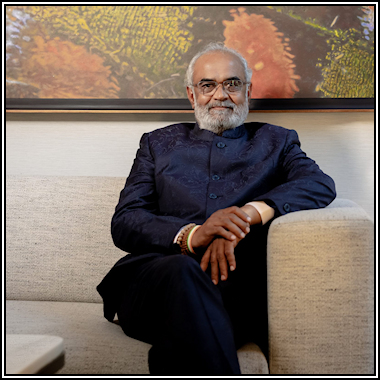
As part of our 20 Stories of Impact series, we’re speaking with RJC members, stakeholders, and pioneers who’ve shaped our journey over the past two decades, exploring sustainability, industry trends, the future of jewelry, and more. Savji Dholakia is the founder and chairman of Hari Krishna Exports, a diamond manufacturing and exporting company.
What key moments throughout the years have made you value your RJC membership?
One of the earliest moments that made Hari Krishna Exports value our RJC membership was going through the certification process. It helped us assess our systems not just for compliance, but to ensure they align with ethics, transparency, and accountability….
To Continue Reading this Article, CLICK HERE
Responsible Jewelry Council Interviews: Stories of Impact–Colleen Rooney, Signet

As part of our 20 Stories of Impact series, we’re speaking with RJC members, stakeholders, and pioneers who’ve shaped our journey over the past two decades, exploring sustainability, industry trends, the future of jewelry, and more. Colleen Rooney joined Signet in September 2019 and serves as the Chief Corporate Affairs and Sustainability Officer. Colleen oversees corporate reputation, communications for internal and external stakeholders, engagement with jewelry and retail industry partners, and the intersection of Signet’s business strategy and Corporate Sustainability Goals. She brings more than 25 years of experience, including influential communication positions with highly respected global companies.
Reflecting on the past 20 years, what inspired you to be part of the RJC from the very beginning, and what did you hope to achieve?
As a founding member of the RJC, it’s clear that sustainable practices and a commitment to progress and purpose are in our DNA as a company. Signet requires all suppliers to join the RJC and to be certified by the RJC’s accredited third-party audits. Our policy to purchase from RJC members is a key component of our responsible sourcing program. What inspired us to be part of the RJC from the beginning and what we hope to achieve are one and the same…..
To Continue Reading this Article, CLICK HERE
Responsible Jewelry Council Interviews: Stories of Impact–Hitesh Shah, Venus Jewel

As part of our 20 Stories of Impact series, we’re speaking with RJC members, stakeholders, and pioneers who’ve shaped our journey over the past two decades, exploring sustainability, industry trends, the future of jewelry, and more. Hitesh Shah is a Partner at Venus Jewel.
What motivated you to become an RJC member, and how has it influenced your approach to responsible business?
Since our early roots, we have focused on providing confidence to our customers. Traceable sourcing and ethical manufacturing practices are at the heart of nurturing this trust through the supply chain. Hence, it felt like a natural step for us when we became India’s first RJC-certified member, because the core principles of RJC align perfectly with our philosophy and values.
What are some unique sustainability initiatives that Venus Jewel has implemented that you’re particularly proud of?
In 1998, during our factory’s construction, we invested in sandwich panels and having an optimum blend of daylight and well-placed electric lighting to minimize energy use…..
To Continue Reading this Article, CLICK HERE
Responsible Jewelry Council Interviews: Stories of Impact–James Amos, Boodles

As part of our 20 Stories of Impact series, we’re speaking with RJC members, stakeholders, and pioneers who’ve shaped our journey over the past two decades, exploring sustainability, industry trends, the future of jewelry, and more. James Amos is Managing Director of Boodles.
Why did Boodles join the Responsible Jewelry Council, and how has the membership shaped your approach to responsible practices?
As a seventh-generation family-owned business, we have always prioritized strong relationships with our suppliers, working only with those who share our ethical values, many of whom we have known for decades.
In 2018, Boodles was assessed alongside global brands by Human Rights Watch. This assessment was a wake-up call, showing us the value of external audits and the need to take formal responsibility for our sourcing and wider practices.
It was a formative moment that encouraged us to take greater ownership and accountability. A key milestone on that journey was becoming certified by the Responsible Jewelry Council. The process helped us strengthen our internal systems and continues to guide us in becoming more aware of our operations. We are making consistent progress using the RJC framework to operate more responsibly and in turn, support others in the supply chain to move towards more ethical and sustainable practices….
To Continue Reading this Article, CLICK HERE
Responsible Jewelry Council Interviews: Stories of Impact–Marisa Hordern, Missoma

Collecting gems as a young girl, it wasn’t until a kitchen table chat with her mother and sister that Marisa Hordern felt compelled to quit the corporate world and follow her passion by starting jewelry brand, Missoma.
One of the first to harness the power of social media, Hordern also pioneered the first influencer-jewelry collaboration. Hordern continues to nurture a culture of creativity, confidence, and collaboration.
Founded in 2007, Missoma now ships worldwide. The jewellery brand was ranked fourth and sixth fastest-growing UK SME in the Sunday Times’ Fast Track 100 2018 and 2019 respectively.
Hordern won the Entrepreneur Award at the 2019 Barclaycard Everywoman in Retail Awards for her future-facing leadership, with Missoma also ranked no.25 in JP Morgan’s 2022 Top 200 Female Powered Businesses category. Missoma was honoured to be awarded a 2022 Queen’s Award for Enterprise in International Trade having grown it’s International sales to 55% of its business.
What motivated Missoma to become a member of the Responsible Jewellery Council, and how does this align with your overall commitment to sustainability and ethical business practices?
At Missoma, responsible production is at the heart of everything we do. That’s why we became members of the Responsible Jewellery Council (RJC), ensuring we meet the highest ethical, social, and environmental standards.
All of our partner suppliers are RJC-certified, and we hold ourselves to the same rigorous standards. This means ensuring traceability, responsible sourcing, fair working conditions, and reducing our environmental impact across the entire supply chain. It’s about doing the right thing, not just for today but for the future of the industry….
To Continue Reading this Article, CLICK HERE
Responsible Jewelry Council Interviews: Stories of Impact–Caroline Scheufele, Chopard

As part of our 20 Stories of Impact series, we’re speaking with RJC members, stakeholders, and pioneers who’ve shaped our journey over the past two decades, exploring sustainability, industry trends, the future of jewelry, and more. Caroline Scheufele is the Co-President and Artistic Director of Chopard, known for pioneering ethical luxury and creating iconic high jewelry and watch designs.
Why did Chopard join the Responsible Jewelry Council, and how has the membership affected what you do?
At Chopard, we believe that true luxury is defined not only by beauty and craftsmanship, but also by responsibility. Joining the RJC was a natural step for us, as we felt it was essential to be part of a global movement that champions sustainable and responsible practices in our industry. On the one hand, RJC membership enables us to enhance our environmental and social practices across our ateliers and boutiques worldwide; on the other, it has united all Chopard Group employees around a shared vision. For us, RJC is also a key tool for engaging our value chain, allowing us to work closely with our supplier partners under a single, robust and internationally recognized standard….
To Continue Reading this Article, CLICK HERE
Responsible Jewelry Council Interviews: Stories of Impact–

Roger Forman is the President of Marathon Company. He has worked in the jewelry industry for over 35 years in all aspects of the business. He is currently a Director at Sturdy Memorial Hospital, and the current Plumb Club President. He is married with four children and is a graduate of Brown University and the Harvard Business School.
RJC: The Plumb Club is the first and only RJC member organization to mandate that all its members be certified against the RJC Code of Practices. What led to this pioneering decision, and how has it influenced your commitment to responsible business across the membership?
RF: I recall the discussions at board level when this initiative was first introduced. At the time, there were growing concerns about diamond integrity, particularly as negative media coverage surrounding unethical mining practices, although often the result of a few bad actors, cast a shadow over the entire industry.
We recognized then that the issue extended beyond public perception. Embracing responsible sourcing was not only the ethical thing to do but also a strategic move to distinguish ourselves from other suppliers in the marketplace. Many of our members were already working with Signet, which had made RJC certification a requirement. Additionally, several other major national and regional retailers had either implemented or were in the process of developing their own responsible sourcing protocols……
To Continue Reading this Article, CLICK HERE
Responsible Jewelry Council Launches First-Ever Global Retail Campaign for Members
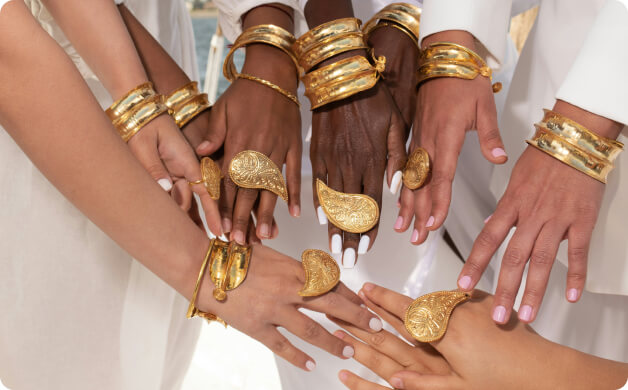
The Responsible Jewelry Council (RJC) today announced the launch of its first dedicated retail campaign, designed to support RJC Retail Members with innovative social media and communications tools for use in watch and jewelry stores worldwide.
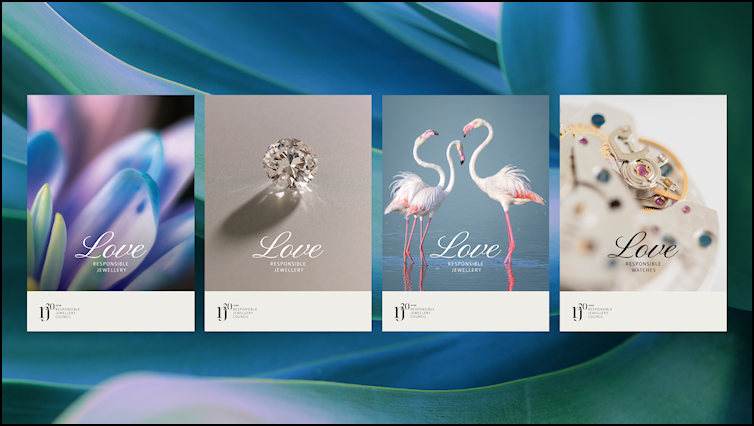
The retailer campaign has been created specifically for RJC retailer members and includes co-branded social media assets, workplace posters, and a PDF guide on ‘how to talk to consumers’. It is designed to help members communicate the benefits of RJC membership to their customers, highlight why it represents such a significant milestone for their business, and ultimately encourage consumers to see RJC membership as a positive indicator when shopping. RJC members can download assets via the member portal.
Click Here to Learn More
RJC: Small Business (SME) Sustainability Toolkit
The Small Business Sustainability toolkit has been created to break down industry jargon and support you in how you can tell your customers, employees and supply chain, the steps you’re taking to put people and the planet first.
Click Here to Download: Responsible Jewelry Council – Small/Medium Sized Entrepreneurs Toolkit
Child Labor
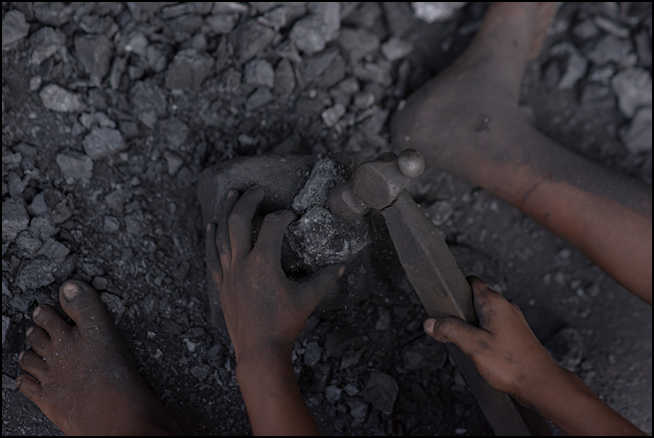
Children are amongst the most vulnerable in our world to labor abuse.
Even today, some children work hours far too long, carry loads far too heavy and are denied access to safe working conditions and education.
According to UNICEF, the number of working children has risen to 160 million worldwide – an increase of 8.4 million children in the last four years. At least 9 million additional children are at risk of contracting COVID-19 while working. Globally, nearly 1 in 10 children is at risk, with almost half of working in hazardous conditions for their health and moral development.
Child labor can cause harm – physically, intellectually and emotionally — as the demands of the job can deprive children of education and expose them to risks that include sex/human trafficking and other illegal activities.
When RJC addresses the issue of child labor, we use the definition provided by the UN Convention on the Rights of the Child; a child includes every human being below the age of 18 years, unless under the law applicable to the child, majority is attained earlier.
The UN Convention further defines the issue as work done by children that deprives them of their childhood, potential and dignity, and is harmful to their social, physical and mental development.
Almost one million of those children work in mining or quarrying gold, tin, coal, diamonds, gems, stone and salt. Almost all child miners work in artisanal and small-scale mining (ASM).
Many experts agree that there is very little, if any, mining work that would not be considered ‘hazardous’ under international law. Working underground with dangerous machinery, carrying heavy loads and working with toxic substances, all common in the mining sector, are among these hazardous activities.
Mining, by far, is also the deadliest category of ‘hazardous work’ for children; according to the Organization for Economic Cooperation and Development (OECD)mining results in an average fatality rate of 32 per 100,000 full-time worker equivalents for children aged 5 to 17. Children in some ASM communities are not always adequately safeguarded, and sexual and physical abuses are known risks. Whether it’s sexual exploitation in exchange for hiding a dangerous mining situation, sexual violence in the community or sexual violence in the home, children can be victimized while their parents mine.
So, what can you do to ensure the safety and wellbeing of children within our industry?
Let’s look at how the RJC’s Code of Practices (CoP) can help you.
Under CoP 19.1, RJC-certified members demonstrate that they do not engage in, or support, child labor as defined in ILO Convention 138 and Recommendation 146, which sets the following minimum ages for work:
- A basic minimum working age of 15 years, to enable children to complete compulsory schooling. b. Members operating in countries where compulsory schooling ends earlier than 15 years can start RJC membership while allowing a minimum working age of 14 (subject to applicable law) but shall transition to a minimum working age of 15 by the end of their first certification period.
Under CoP 19.2 – RJC-certified members demonstrate that they do not engage in, or support, forms of child labor as defined in ILO Convention 182 and Recommendation 190, which includes:
- Hazardous child labor, which by its nature or circumstances is likely to jeopardize the health, safety or morals of persons younger than 18 years. Where allowed by applicable law and supported by risk assessment and controls under COP 23 (Health and safety), a minimum age of 16 is allowed on condition that the health, safety and morals of the children concerned are fully protected, and that the children have received adequate specific instruction or vocational training in the relevant branch of activity.
- All forms of child slavery and practices similar to slavery, including debt bondage, the trafficking of children, forced child labor and the use of children in armed conflict.
CoP 19 provides businesses with practical steps a company can take to ensure that they do not participate in child labor.
For instance:
- Make a senior management function, such as human resources, responsible for the child labor policy and procedures, and all remediation of potential and confirmed non-compliances.
- Establish a policy prohibiting the use of child labor and preventing young workers from doing hazardous work. Do this as a stand-alone policy or incorporate it into an existing policy.
- Conduct a risk assessment appropriate to your business circumstances to identify areas where there may be a risk of child labor in your operations or supply chain
Child labor can be a complex topic. There are some communities, especially within ASM, where children have to work. If you are ever faced with a situation like this, it is imperative that you use the guiding principles of the UN Convention on the Rights of the Child to ensure every child’s well-being and safety. Our team at RJC can provide guidance on these difficult topics and situations to help implement strategies and protocols to help protect children throughout your supply chain.
Children in and outside our industry need our help. Our actions to proactively protect children’s rights, help them experience safe and healthy early years that every child should have.
RJC is here to help. Please reach out to us if you have any questions; we are more than happy to assist you at membership@responsiblejewellery.com
Until next time.
Gender Equality

This month, our blog will provide an overview on the critical topic of Gender Equality. We will touch on what that actually means, what the benefits are of implanting gender equality into your business and how, as RJC, we can help you – regardless of where you are on that journey.
It is not new news that gender inequalities exist in today’s world. Whether they be systemic, institutional or cultural, women and girls often are faced with challenges and obstacles not faced by men.
Covid-19 has catalysed the already challenging gender gap. A study by the World Economic Forum reports that the impact of the COVID-19 pandemic has increased the gender gap by a generation from 99.5 years to 135.6 years. The gender gap is in reference to the unequal outcomes between the sexes in various economic, social, political and cultural contexts. It has exacerbated the gender pay gap to further disadvantage women with family responsibilities, due largely to the childcare and educational requirements imposed by COVID-related closures and lockdowns. Across the globe, women earn less, save less, hold less secure jobs, and are more likely to be employed in the informal sector. They have less access to social protections and are the majority of single-parent households. Their capacity to absorb economic shock, consequently, is less than that of men.
Gender inequalities affect women of all ages, races and backgrounds. Even in different climates, economic/cultural backgrounds and races will face different challenges, but gender inequalities are apparent regardless.
Within the Sustainable Development Agenda, gender equality is both a standalone goal, and a cross-cutting priority within other goals. For example, gender equality is crucial for advancing education, sanitation and climate action. Within Goal 5 – Gender Equality — there are key areas important for businesses to focus on, and contribute to, including: equal remuneration for women and men, diversity and equal opportunity, access to sexual and reproductive healthcare services, elimination of workplace violence and harassment, women in leadership, and childcare services and benefits.
Let’s take a look at how this affects our industry in particular…
Women drive demand for more than 90 percent of the world’s jewellery and make up a large portion of the industry’s value chain. However, women’s roles in the jewellery supply chain are influenced by gender inequalities (gender norms, practices, and institutions) that serve as barriers to entering and advancing within the industry. Gender norms and stereotypes create environments where sexual harassment is deemed normal, women are expected to do more housework than men, women are paid less than men or expected to do ‘women’s work’ when formally employed, among others.
Last year, in partnership with Business of Social Responsibility, the RJC produced a report on the current landscape of gender equality within the jewellery and watch industry. This report took a deep dive into some of the barriers faced by women across the supply chain and the opportunities available for companies who implement gender equality policies and values. If you would like to review the report, you can find it here.
This report highlights the inequalities faced by women, who are overrepresented in the work force in lower skilled jobs, and underrepresented in higher skilled/executive roles. It discusses the different problems faced by women who are part of an ethnic minority and those who are white. It discusses the different barriers faced by women in various parts of the supply chain. The report also uses information from various think tanks including IMPACT which looks into women’s roles in ASM.
The report also contains a wealth of information, resources and tools for you to use on how to recognise potential barriers and how to take steps in creating and implementing policies to help bridge the gap. We understand that some might read this and think this would only apply to the bigger companies, but there are steps that every company can make, regardless of size.
RJC also provides its own gender equality toolkit and a training module. The toolkit recently launched in summer 2022,and includes a particular focus on SMEs (Small and Medium Enterprises). This toolkit provides concrete actions and steps SMEs can take to reach the broader goal of gender equality.
Achieving gender equality also makes financial sense. According to McKinsey & Company’s Global Institute Report, narrowing the gender gap could add between $12 and $28 trillion to the global GDP. Highly regarded media outlets such as Forbes promote the importance of gender equality and the financial gain set for businesses who take meaningful steps. A report from the European Commission stipulates the macro-economic benefits of gender equality, including the potential contribution that increased female labour market participation could bring.
Please find below some links to different resources RJC can offer on gender equality for your visitors.
- Download the Gender Equality Toolkit
- Getting started and moving forward: Interactive module
- Download the poster
If you have any questions or queries relating to this article or indeed wider topics, please reach out to us at training@responsiblejewellery.com and we will be more than happy to assist.
Thank you for reading.
Until next time.
An Introduction to – Human Rights
Human rights is an issue of tremendous importance and vast impact, affecting everyone regardless of age, race, location or wealth.
In fact, the United Nations General Assembly meeting in a matter of weeks, will convene in New York to strengthen the global agenda on this issue for years to come.
While an important milestone like this should be applauded, it can sometimes be difficult to engage in what’s covered at these kinds of multilateral meetings. We all recognize the importance of human rights but can sometimes feel disconnected from the outcomes of such events.
In this month’s blog, the Responsible Jewelry Council (RJC) will highlight the basic principles of Human rights, showing how Small-to-Medium size enterprises (SMEs) can engage in meaningful ways on this issue and illustrate that anyone can make an impact at the local level.
Let’s start with looking at the definition of human rights:
According to the United Nations (UN), “Human rights are rights inherent to all human beings, regardless of race, sex, nationality, ethnicity, language, religion, or any other status. Human rights include the right to life and liberty, freedom from slavery and torture, freedom of opinion and expression, the right to work and education, and many more. Everyone is entitled to these rights, without discrimination.”
While we can all agree this definition is clear and compelling, we’re left with a critical question: how do these rights translate into action for businesses?
To answer this, a brief review of relevant legislation is needed.
Arguably, the most important piece of legislation for Human rights is the Universal Declaration of Human Rights (UDHR). This was adopted by the United Nations General Assembly on December 10, 1948. This document was created to address the atrocities of World War II and includes 30 Articles. These articles protect human rights on a range of topics, from being born free and equal in dignity and rights, to freedom of religion, protection from torture and the right of asylum from persecution.
Human rights risks may feel far away from your business, but Human Rights abuses or impacts can be found in any country, sector and workplace.
You likely already have been dealing with human rights risks within your own business, perhaps without connecting human rights language to it. Examples include:
- Your health and safety procedures
- Providing a safe workplace
- Your working hours policy
- Paying your employees correctly
- And ensuring there is no workplace discrimination
The UN Guiding Principles make it clear that small businesses also have a responsibility to respect human rights. SMEs often have less capacity and more informal structures than larger companies. A more informal approach to respecting human rights can still be effective, as long as there is a policy, a fit-for-purpose due diligence process and a process to enable remedy.
That’s the big picture on Human rights, but what specifically, can you do about it?
We’re glad you asked. RJC’s new Human Rights Due Diligence toolkit, which has just launched, is available to the entire watch and jewelry industry, regardless if you are a member or not!
The toolkit features key enhancements, including context on Human Rights and what due diligence means for the industry. It provides practical steps to carry out due diligence and how these steps can vary based on a company’s size and role. Each step includes a practical set of tools, including templates, forms, and checklists to simplify the human rights due diligence process as much as possible, particularly for smaller businesses.
Topics as important as this should be prioritized in every industry across the board. Importantly, the RJC understands that this can be daunting and many misunderstand how it applies to small businesses. The clear, holistic and actionable nature of this toolkit takes all that into account.
No matter what size a company is, it can make a difference to not only individuals working within the industry, but will have a positive ripple effect on families, communities and nations.
As always, we are here to help you. Even if you are not a member and you would like support or guidance on how you can make a change, email us at: membership@responsible.jewellery.com and we would be more than happy to help!
We look forward to hearing from you.
RJC launches SDG Taskforce to drive action and benchmark progress in the jewelry industry

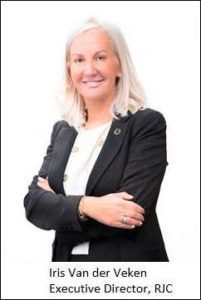
To celebrate the launch of the new industry SDG Taskforce, Iris Van der Veken, Executive Director at Responsible Jewelry Council, spoke with The Plumb Club about this exciting milestone and the impact on consumer confidence.
Congratulations on the launch of the industry SDG Taskforce, this is a considerable milestone for sustainability in the jewelry industry.
Thank you. We’re excited! The launch of the RJC SDG Taskforce signals a monumental shift in the industry and is an exciting milestone for the global jewelry and watch industry. 15 years ago RJC had a vision to transform the jewelry and watch industry to be more responsible and sustainable. We began by uniting the industry behind a common set of standards, and now we are uniting the industry again as we go beyond compliance from ‘do no harm’ to ‘do good’. Leadership is critical, for the industry and within the industry, and that is why I am so proud of the Plumb Club Partnership as this is real pioneering work.
Why is the SDG Taskforce critical to the future of the jewelry industry and how will this have a positive impact on consumer confidence?
Consumer confidence is critical to our industry. Over the past year, consumers have realized that sustainability includes employers protecting jobs, supporting the communities in which they operate, ensuring equality, and protecting human rights. It is vital that consumers can see the positive actions being made by organizations throughout the entire jewellery supply chain. The SDG Taskforce will provide a clear course of action and practical guidance to jewelry-related businesses and, quite importantly, provide a way to measure and track progress across the whole industry.
Can you tell us a little more about what the SDG Taskforce will do?
Our primary goal is to advance the sustainability agenda in our industry through action. And so, the SDG Taskforce will establish an SDG Action Platform to coordinate the efforts of the industry, launch a global library of best practices, build a unified reporting framework based on existing international best practices, and further develop new ways and ideas to implement the 17 UN SDGs within the watch and jewelry industry. The SDG Taskforce will report on progress made within member companies and the industry through the annual RJC Progress Report and updates will be published to a dedicated web page.
The jewelry supply chain is complex, how have you managed to ensure full representation?
Representation and cooperation within and outside of the industry is a core principle of the SDG Taskforce. The SDG Taskforce includes 26 leaders of the global jewelry industry together with the representatives of NGOs, other trade organizations and academia who will convene on a regular basis to drive change and track progress throughout the supply chain – from mining to retail.
What action can small businesses take towards the SDGs?
I often say that sustainability is a journey of continuous improvement. Whatever the size of your organization and wherever you are in your journey, there is always something that you can do. Most likely you are already working towards the SDGs, and you can build from where you are.
For more information on the SDG Taskforce visit: http://responsiblejewellery.com/sdg-taskforce/