






What Matters More Than Ever to Your Customer

A jewelry purchase is more than just a sale for your store and it’s more than just a new accessory for your customer. It’s a relationship with a trusted source that also represents milestones, memories, and meaningful investments. Yet many customers don’t realize how vulnerable their jewelry can be to loss, damage, and unnecessary wear. That’s why, as a trusted source, it’s up to the retailer to educate their customers about essential habits that help protect treasured pieces: insuring jewelry properly and cleaning it regularly, both at home and bringing it back into the store for inspection. All of which can help protect their investment and bring them back to you!
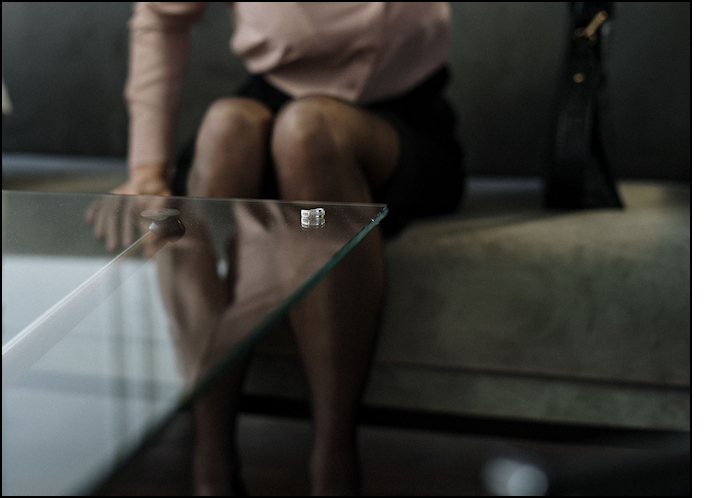 Jewelry loss is more common than customers realize. In fact, jewelry is one of the most frequently lost or stolen personal valuables. According to a 2024 Jewelers Mutual study, more than 50% of jewelry owners admitted they had lost a piece of jewelry at some point, while 32% said they lacked specific security measures to protect their jewelry.
Loss and theft claims are especially common during travel. A 2026 Jewelers Mutual study revealed that 61% of travel-related jewelry loss occurred while the piece was being worn. The study found that 3 in 10 travel-related jewelry losses occur in or around water, including beaches and pools, and earlier research found that necklaces, earrings and bracelets were items most often left behind in hotel rooms, beaches and restaurants.
Even at home, jewelry remains highly vulnerable. Insurance data shows that approximately 70% of personal property theft losses involve jewelry. Small, portable, and highly valuable, jewelry can disappear in seconds, often without the owner even realizing when it happened.
“Jewelry often represents some of life’s most meaningful milestones, making awareness around protection an important part of the ownership journey,” says Mike Alexander, president at Jewelers Mutual, a Plumb Club Member. While consumers ultimately decide what protection solutions are right for them, retailers play a valuable role by helping customers understand the options available and why they’re worth considering from the start. An informed customer is better equipped to make decisions that help preserve the value and significance of their jewelry for years to come.”
Why Jewelry Insurance Is Essential
 Many customers mistakenly assume their homeowners or renter’s insurance fully protects their jewelry. In reality, standard policies often limit jewelry theft coverage to only $1,500 for all jewelry combined. As most jewelry retailers know, that amount may not even cover a single engagement ring or luxury watch.
Dedicated jewelry insurance or scheduled jewelry riders offer broader protection, including coverage for theft, accidental loss, mysterious disappearance, and accidental damage. For many consumers that peace of mind alone is worth it.
As a trusted source, a retail jeweler is in a position to encourage customers to protect purchases immediately. Some insurance providers have programs that allow the retailer to seamlessly raise this awareness right at the moment of sale, both in-store and online, helping to enhance the customer experience and even increase revenue. Recommending professional appraisals and updating valuations can bring customers back to your store, help you build deeper relationships, and help your customer avoid financial losses later.
Regular Cleaning Prevents Expensive Repairs
Jewelry cleaning and maintenance is not simply about keeping up appearances. Over time, dirt, lotions, soap, and everyday wear can weaken prongs, clasps, and settings. Insurance providers consistently note that “wear and tear” is one of the most common reasons jewelry claims are denied because of gradual deterioration is considered maintenance rather than sudden damage.
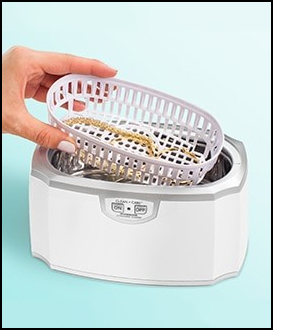 A loose prong or weakened clasp can go unnoticed if not regularly inspected, and dirt, lotions and soap that has built up can conceal issues, resulting in a substantial loss or significant repair bill. Encouraging customers to clean jewelry regularly at home not only keeps their jewelry sparkling, but it can help them notice wear and potential upcoming issues, thereby reducing risk. Home cleaning kits with specific solutions, along with appropriate brushes or wipes help remove buildup that can hide damage.
Often, these products can be carried in store and personalized to a retailer, representing an upsell opportunity, as well as the ability to stay top-of-mind with a customer.
Kristie Nicolosi, president and CEO of Plumb Club Member, The Kingswood Company adds, “We always tell retailers that the jewelry their customers clean is the jewelry they keep wearing. The most sophisticated retailers recognize the opportunity of jewelry adjacent product lines. Carrying at-home cleaning solutions in store is one of the easiest ways to stay top of mind between visits and encourage repeat purchases.”
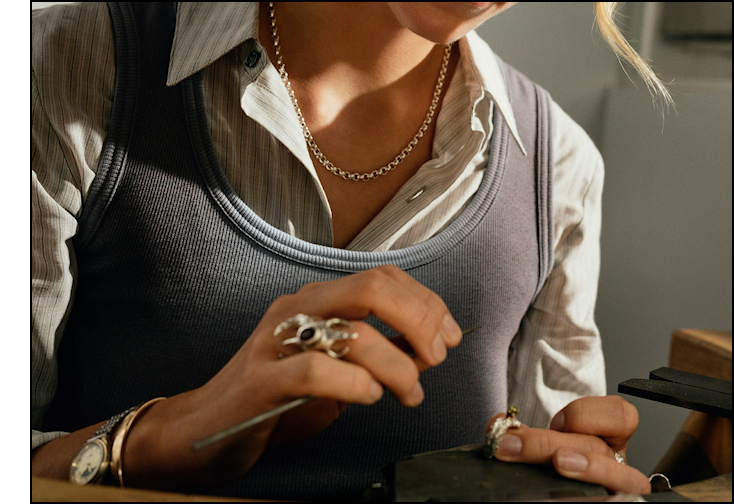
Further, customers should be encouraged to come back to your store for professional inspections and polishing every six to twelve months to check prongs, clasps, and mountings for signs of wear or potential issues. This allows a retailer to deepen relationships, learn more about the customer and potentially show them similar items or additional parts of a designer collection. Additionally, it helps you illustrate to a customer that preventative care is always less expensive and more assuring than major repair, stone replacement and/or loss.
Education Builds Customer Trust
Today, retailers need to provide more than just fine jewelry to their customers. That is why The Plumb Club incorporates vetted world-class, jewelry suppliers from all of the industry’s many facets. The Club also provides retailers with regular education, such as this article, in many formats to help them do better business.
Your customers value expertise and guidance as much as the jewelry itself. By educating them about your products and related services—such as regular cleaning, professional inspections, and appropriate insurance—retail jewelers help protect the sentimental and financial value of their customers’ jewelry while positioning themselves as trusted advisors. This strengthens customer loyalty, encourages repeat visits, keeps the store top of mind, and reinforces its long-term importance in the customer relationship.