








A Jeweler’s Edge: Hire Carefully,
Train Continuously, Retain Talent

A great jewelry salesperson is more than someone who can close a sale. They are a trusted adviser, a storyteller, an expert on gems and metals, and, perhaps most importantly, a steward of your valuable inventory! That combination makes talented employees extremely precious to jewelry retailers, and particularly important to retain.
The challenge is that jewelry stores often operate with small teams. According to stats from a JCK article a few years ago, over 80% of retail jewelry stores employ fewer than 10 workers, with typical independent single-location stores generally averaging about four to five employees.
When it’s a small team, losing one high performer can affect revenue, customer relationships and morale all at once. Therefore, retention should be treated as a business strategy, not an HR afterthought. Most employees want to know they are building a career and not simply working another retail job. The first two essentials in effective retention are making the best hires possible and then ensuring that there is a structured education process.
 Ensuring Smart and Careful Hires: Jewelry retail has security concerns that ordinary retail businesses may not face to the same degree. Employees may have access to high-value merchandise, safes, showcases, alarm systems, customer information and confidential transaction records. A poor hiring decision could create financial and reputational risks far beyond the cost of replacing an employee.
Screen candidates consistently and professionally. Require a completed application, verify employment and education, check references and obtain appropriate authorization for legally permissible background checks. Because employment and background check requirements vary by jurisdiction, ensure hiring practices comply with applicable federal, state and local laws. JCK, citing the Jewelers’ Security Alliance, has recommended written applications, verification of candidate information and signed releases allowing employers to contact former employers and schools. Retailers should also be cautioned to avoid discriminatory interview questions.
Don’t make the interview merely, “Do you like jewelry?” Instead, try behavioral questions. Ask:
- “Tell me about a time you handled a customer who didn’t trust your recommendation.”
- “What would you do if you noticed a discrepancy between inventory records and merchandise in a showcase?”
- “Describe a time you made a mistake at work. How did you handle it?”
- “How do you build relationships with customers who aren’t ready to buy today?”
- “What does confidentiality mean in a retail environment?”
The answers can reveal judgment, honesty, patience and accountability, all qualities that may be more important than previous jewelry experience.
References deserve particular attention and significant weight should be placed on industry recommendations when hiring. A strong reference doesn’t guarantee a great employee, but inconsistent information or concerns raised during reference checks may warrant additional follow up before a hiring decision is made.
Consistent Education: Start with the fundamentals: The 4C’s, colored gems, precious metals, jewelry construction, watches and their movements, warranties, appraisal and repair terminology. Then augment that with practical selling skills, uncovering customer needs, explaining value, handling objections, and how to build customer relationships during and after the sale.

Of course, there are a number of formalized educational programs, such as GIA, that can help staff build knowledge, if the individual or company is willing to invest the time and money to do so. But education doesn’t have to be expensive. Retailers can encourage sales associates to learn with free industry specific websites, such as www.plumbclub.com that provide education on a myriad of subjects in a variety of learning formats. Pair newer associates with experienced salespeople, schedule short weekly product-training sessions, invite vendors to conduct presentations, and provide access to recognized industry education. For independent jewelers without formal training programs, these approaches provide practical ways to develop talent internally.
Alok Mehta, owner & CEO of Plumb Club Member iDD, says, “Many better manufacturers can help with educating staff members. We typically build both the sales training and launch support into the program for our private label brands right from the start. Our Retail Success Managers train in-store sales associates on the collection, the story behind it and the key selling points, including how to best present it to the customer. Through training, sales associates sell with real confidence and provide factual information to their customers. No collection can be successful until the sales associates are comfortable with it. That’s when they see real traction!”
The key is to make education both visible and desirable. Give employees milestones: introductory product knowledge, intermediate selling skills, advanced gemstone knowledge and eventually management or buying responsibilities. Employees who can see the next step are more likely to envision a future with your company.
Thoughtful Incentives: Incentives matter, but it’s about more than the largest sale. Commissions matter, but retailers should avoid creating a culture where employees compete at the expense of customers or coworkers. Consider plans that combine a stable salary with individual and store-level incentives.
Reward measurable achievements such as sales-to-goal, average transaction value, repeat-client appointments, special-order conversions and customer follow-up. Also reward behaviors that protect the long-term health of the business: completing training, developing new client relationships and contributing to team sales.
In 2024, INSTORE magazine noted that only 1 in 3 surveyed jewelers hold sales contests, suggesting that formalized incentive programs remain underused. That leaves room for creative retailers to stand out.
The best incentives don’t have to be enormous. Some jewelry retailers use group bonuses, individual rewards, dinners and time off to recognize employees who exceed goals. One example could be a storewide bonus when monthly sales targets are reached, reinforcing teamwork rather than encouraging employees to compete against one another. Recognition matters, too. Celebrate an employee who earns a gemological credential, lands a difficult sale, saves a customer relationship or catches an inventory discrepancy. In a store, sincere recognition from an owner or manager can be remarkably powerful.
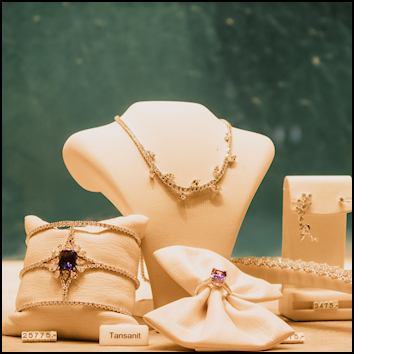
Security Concerns: Security training should begin on an employee’s first day, not after a problem occurs.
Teach new hires your policies for opening and closing, alarm procedures, keys and codes, handling merchandise outside showcases, customer privacy, suspicious behavior, inventory counts and potential emergency situations. Access should be granted according to job responsibilities; not every employee needs every key, code or system permission.
But just as important, create an environment where employees feel comfortable reporting mistakes or suspicious activity. A salesperson who accidentally misplaces a diamond should be encouraged to report it immediately rather than fear that admitting the mistake will lead to punishment. Transparency is in itself a security control.
Take Aways: The strongest jewelry retailers understand that security, education, incentives and retention are connected.
- A knowledgeable, engaged employee is better equipped to recognize suspicious behavior, protect merchandise and serve customers.
- A valued and publicly appreciated employee is also less likely to view the job as temporary.
Hire slowly. Train deliberately. Reward fairly. Give talented people a path to grow.
In jewelry retail, your best employees don’t simply sell inventory—they accumulate customer trust and institutional knowledge. When you invest in keeping them, you’re protecting one of the most valuable assets in the store: the people customers come back to see.