



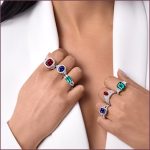
Next-Generation Sales
First-time engagement ring shoppers are making their way into jewelry stores near you (and yours is likely among them). Generation Z, or Zoomers—born 1997–2012—are the individuals getting engaged now, to be followed by Gen Alpha, though that may take a while. Alphas are still fairly young given the dawn of that generation took root in 2010. Both groups, however, share commonalities.
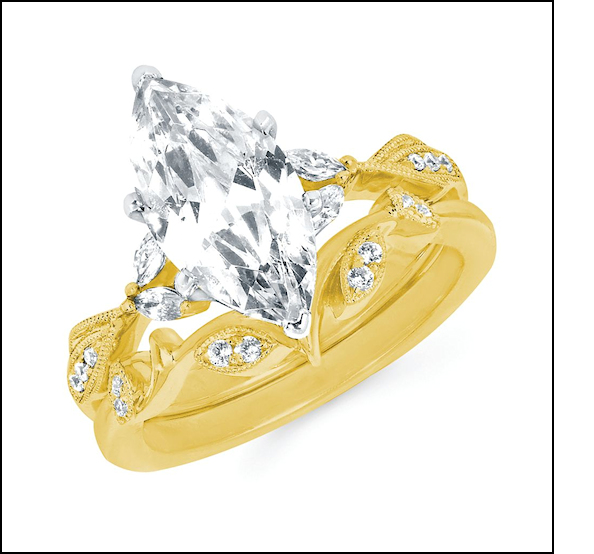
Ostbye
Neither knows a world without computers, and social media plays a big role in their lives. Research from Bain & Company reveals that Gen Z is taking the lead on social and cultural change, life experiences, and a quest for meaning. Gen Z also has an open mind, a penchant for sustainable practices and new ways of owning material goods—think pre-owned goods and rental programs, according to findings in the Plumb Club Industry & Market Insights Report 2025. Gen Alpha, meanwhile, is the most racially diverse group ever, with fewer than half identifying as white.
Research conducted by retail giant Signet, meanwhile, delivers great news for all merchants: “engagements are expected to increase by 25% in the coming three years, especially among the Zillennial cohort (those who straddle Gen Z and Millennial brackets),” state the findings, some of which are noted in the PC 2025 Report. And with the growing size of engagement rings, according to manufacturers and findings from The Knot’s 2023 Real Weddings Survey, one-third of engagement rings are typically now weighing over two carats in total, a 10% increase from 2019.
And given the inherent digital savvy of Z and Alpha, it’s not surprising that many buy lab-grown diamonds (LGDs) as center stones. They get a bigger, cleaner, clearer diamond for less money than a natural.
“Many will buy an LGD and use that balance on investments, savings, vacations, or a honeymoon,” observes Aadesh Zaveri, owner of Trellis Worldwide Inc. “They’re also surprised at the price difference. When we do trunk shows, we explain the terminology and how they compare to mined.”
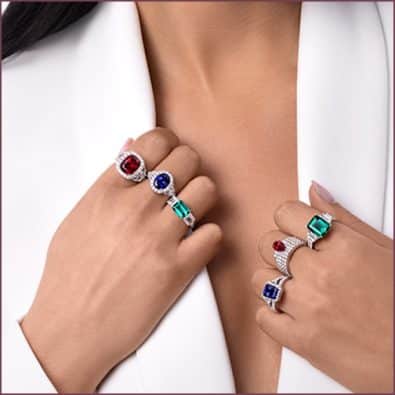
Sought-after styles of these emerging generations include minimalism, East-West orientations, stacking bands, and fancy shapes.
“Any fashion that can be layered or stacked together to tell a personal story is a hit,” says Theresa Namie, merchandise manager at Ostbye.
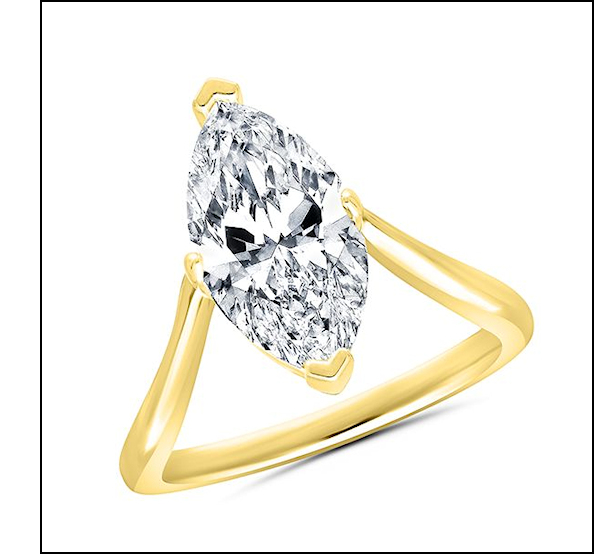
Original Designs / ODI
Nontraditional styling is also hot. Valerie Fletcher, vice president of design and product development at Original Designs / ODI, notes that “unique, modern, and asymmetrical looks” are in demand. Variations include architectural looks, chevron shapes, stones set horizontally or off-center, and interesting silhouettes of side stones like kites or hexagons.
A wise word from Namie: “Create styles that follow the trends but are a realistic value and have longevity,” she urges.
Personalization may be the next generation’s biggest priority.
“They want everything to be a reflection of them,” says Jeff Levitt, vice president of merchandise at Cynergy Trading. “They find something they like and change it to make it their own. They see a beautiful ring in a picture but want to make changes. They want a unique reflection of who they are.”
In Fletcher’s experience, “the design is often hand sketched by the couple, so it’s very personal,” she says.
Gen Z is also coming back to stores, but after they do their homework online.
“They are digital first for research, but they like an experience, and they tend to work together when selecting a ring,” explains Namie.
Gen Z discovers trends through social media platforms, so brands should take note of what Zendaya, Taylor Swift, and other influencers are wearing.
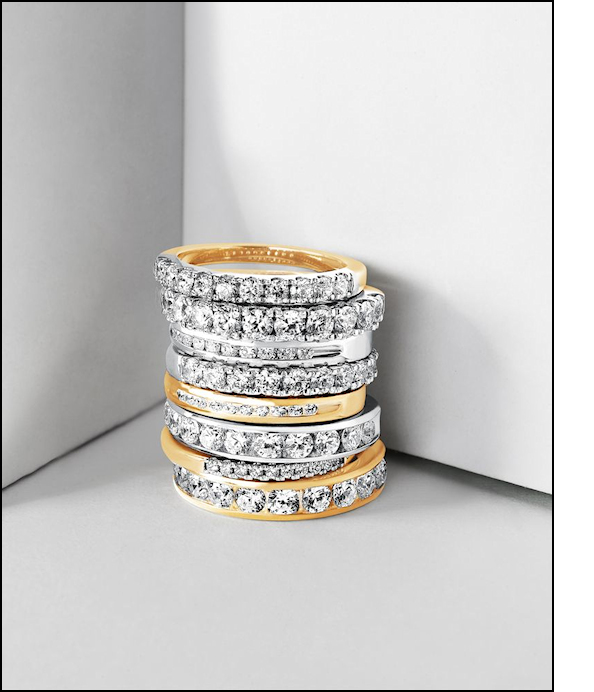
Ostbye
“Make sure those kinds of styles are represented in your collection,” says Fletcher.
Levitt is even building up a new social media department complete with a library of lifestyle images and dedicated staffers to provide stores with the assets they need.
“Either [stores] don’t have the people to do the work or the budget to have it made outside,” he says about helping his retail accounts. “In the first three-quarters of my career, I made great product, and making the sale was their part, but now they expect more from vendors; I have to design it, make it, and help them sell it.”