


Diamond Perceptions
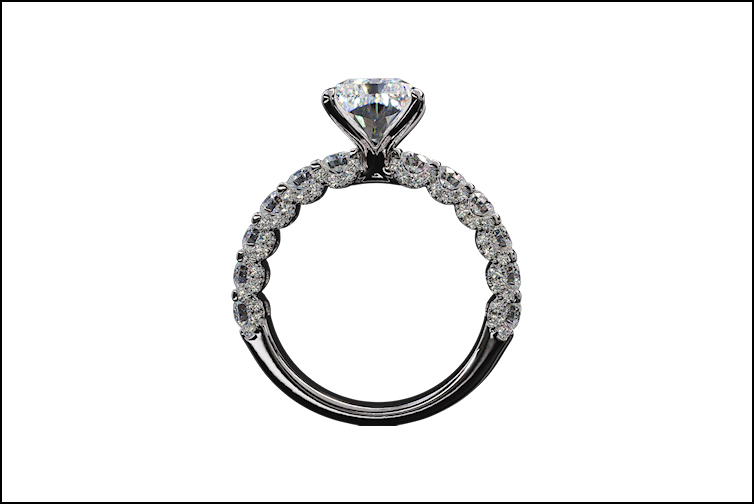
In the retail landscape of diamond jewelry, consumers have an extraordinary number of choices, starting with the diamond category—lab grown or natural? The rise of lab-growns in the past decade has upended the diamond jewelry market, causing wild fluctuations in prices of both lab-grown and natural. Consumer interest in lab-growns has been a major driver of their successful sales; a diamond type chemically and optically identical to mined diamonds at a fraction of the price? Yes, please, say many consumers!
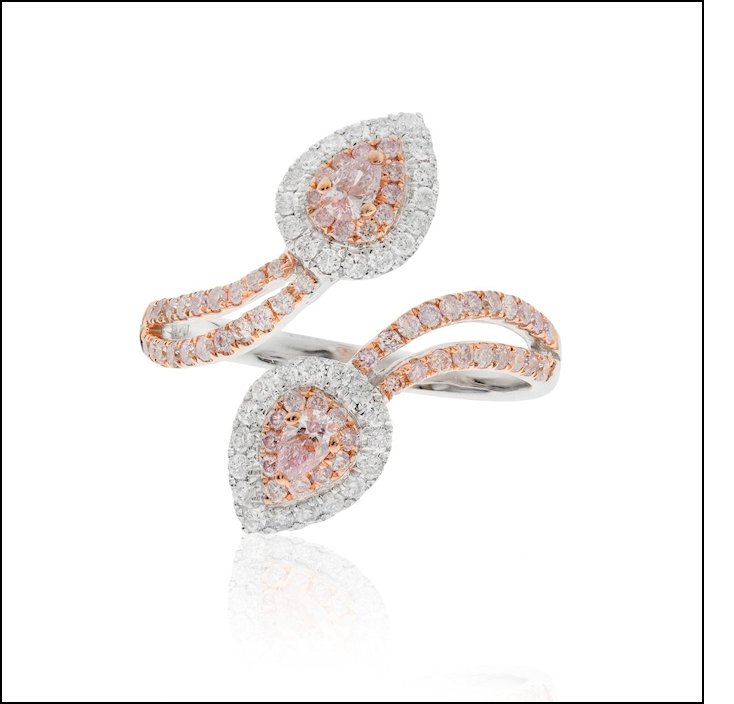
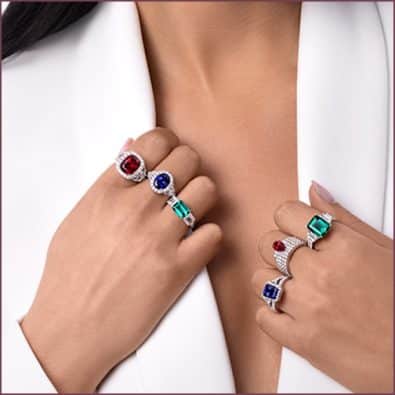
Cirari / Color Jewels
But how do consumers view the two diamond categories? For sure, the choices have drastically changed the market. First and foremost, labs have made the “diamond dream” a reality for everyone, not just those who can afford a natural, mined diamond.
“Labs have opened up the diamond world to consumers who could never before afford a diamond,” says Lenny Kramer, executive vice president of sales, Leo Schachter Diamonds. “That’s a good thing for people who can’t spend on a natural, but it has skewed the units sold in the engagement ring market to labs.”
Amish Shah, founder of ALTR, a maker of lab-grown diamond jewelry, knows this firsthand. His company’s research shows that lab-grown diamonds account for 70%–80% of what’s sold in stores that offer lab. In fact, ALTR conducted research in 2017 to study its customer base and learned that its single largest group was the second-time bride.
“Lab-grown diamonds are for every age group, any type of relationship, and any type of occasion,” he says. “From my brother’s daughter who is 10 and wants a pink diamond to an 87-year-old gentleman who got his wife a pair of diamond studs from us.”
In fashion-forward, nonbridal jewelry, Shah says that labs account for as much as 30% of what’s sold but estimates that by next year that will rise to 50%.
“There will always be a very respectable place for the earth-mined diamonds, while lab-grown diamond jewelry will occupy a wider position in the market space in units,” he adds.
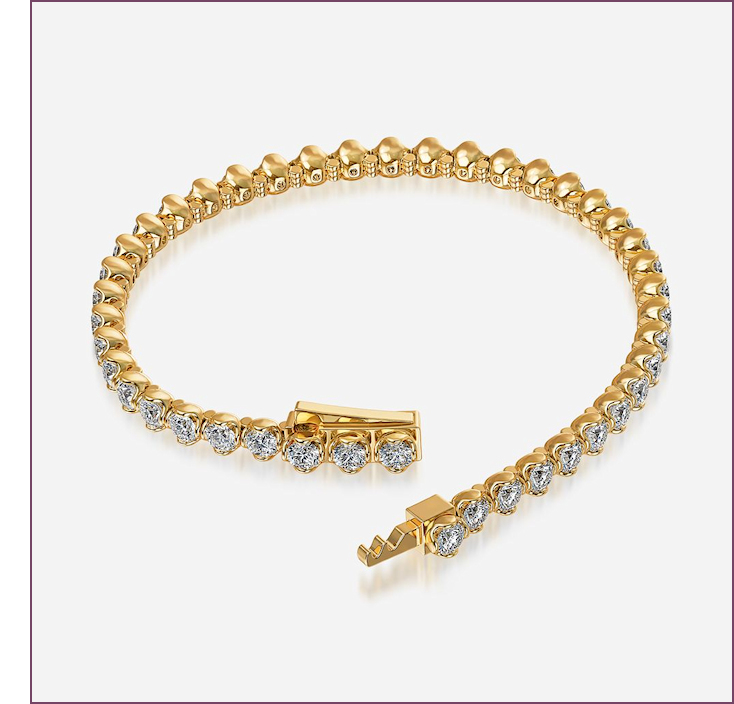
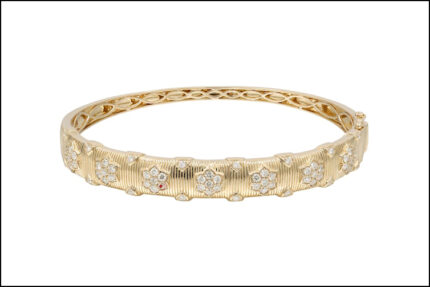
ALTR
Ninety percent of what Cirari sells in lab grown is fashion jewelry, and that business has been strong, according to Mark Funk, vice president of sales and marketing. Many friends and associates of Funk can afford naturals, but they buy lab grown. “I’ve had good friends and family call me and go, ‘I’m looking for a lab-grown tennis bracelet. What do you got?’ And I’m like, ‘Why wouldn’t you buy beautiful, earth-grown, natural diamonds instead?’ It’s the price, and because the lab-grown product looks so beautiful. The lab-grown diamonds are so white, so fire. They’re so everything, and they’re like pennies.”
“I don’t think it’s just the young crowd buying a 3.0 ct. oval, which I got one for a friend’s son a couple months ago,” Funk continues. “Certainly, people between 30 and 60 are buying [labs] as well. And as [lab-grown] diamond prices continue to fall, of course [natural prices] will bounce back. But as [labs] continue to fall, consumers will see an even better perceived value in earth-grown diamonds. Just not in 2026, I don’t think.”
Some say lab-grown diamonds are enroute to costume jewelry status—like cubic zirconia—but that’s a bold statement. Still, many lovers of natural diamonds are hoping for that scenario, observes Kramer.
“There’s a whole set of retailers who prefer to sell naturals,” he adds.
Natural still reigns in perception as the ‘forever’ diamond, notes Valerie Fletcher, vice president of design and product development at ODI / Original Designs. However, “second- and third-time [married] couples might have a different perception of ‘forever,’” she clarifies. “As education around lab-grown diamonds increases and consumers become more aware of their lack of long-term value, lab-grown diamonds are less likely to be seen as traditional fine jewelry and more likely to be considered demi-fine, bridge, or trend/fashion,” she continues.
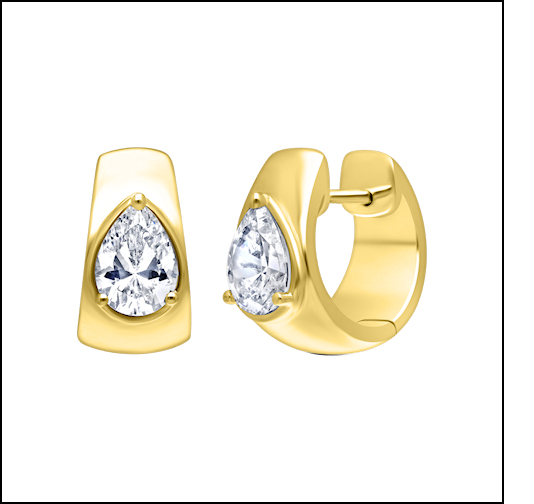
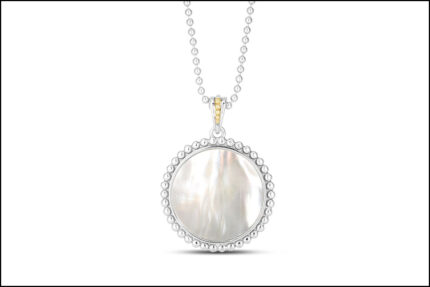
ODI/ Original Designs
“While lab-grown diamonds are strong in fashion, sales are split between couples who don’t feel the need to invest in another expensive ring [in bridal], and those who still want the traditional heirloom. As a non-investment, guilt-free, affordable gift or self-purchase, lab will stay strong. In the bridal category, which is about 50/50 now, I think we will see an uptick in natural. But I think lab will still be strong in larger total weights. With consumers now more educated on pricing, retailers will need to adjust expectations from the very high margins of the past.”
As for when the pricing of mined diamonds will stabilize, Shah suspects that will happen when the category is better able to compete with labs.
“While this sounds completely out of line, this is how the consumer looks at it,” he says. “The entire concept of store of value, and I repeat, store of value that was sold to the consumer is no longer being bought by the consumer. Hence, the value is in the creation, not the component.”