



Gold-Filled Jewelry FAQs
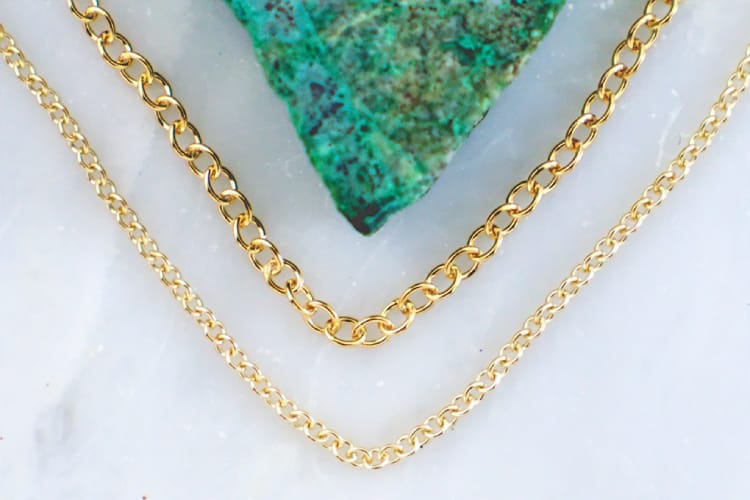
Learn the ins and outs of using gold-filled in your designs. Using and explaining gold-filled can be complicated, prepare yourself with these common questions about the material.
Gold-filled is ideal for assembly and light metalwork such as forming and texturing. It responds to manipulation much like brass. It is considerably more durable and easier to maintain than gold-plated material. It is considered a higher quality “bridge” or “demi-fine” material compared to “costume” accessories made from plated base metals. However, it is typically not considered “fine jewelry” or in the same category as solid gold alloys and platinum metals. A lot of new designers have misconceptions about gold-filled material. If you are selling this metal, it is important to understand the product so you can accurately describe it to customers and handle it properly. Here are common questions we hear from customers. But, first a little bit of information about the material.
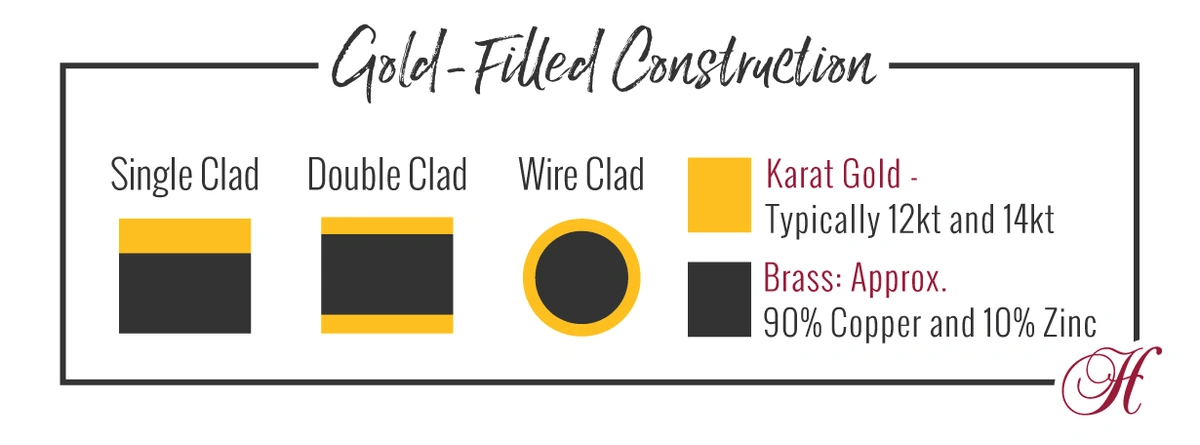
Gold-filled is an affordable, durable alternative to solid karat gold. It is not an alloy. It is a layered material constructed in two or three layers. The core metal is brass; though, in the past, sterling silver was sometimes used instead. Single clad gold-filled has all the gold content in a single layer on one side. Double clad material splits the gold content into surface layers on both sides of the material. The gold alloy is bonded to one or both surfaces of the brass core with heat and pressure. The bonded raw material is sold as a sheet or wire to manufacturers for use in finished products.
Gold-filled products are legally required to be 5% or 1/20 gold by weight. This 5% is described by the karatage of the gold alloy on the surface. Most material is 12kt or 14kt gold-filled. It is most accurately labeled with the karatage, the “/” symbol, and then 20 to reflect this construction. Products are identified as 14/20 or 12/20 Gold-Filled; alternatively, 14kt or 12kt Gold-Filled are also acceptable as long as you use the entire phrase. Quality stamps are abbreviated to 14/20 GF or 12/20 GF.
Gold-filled material made in Italy incorporates a tiny amount of cobalt into the brass layer of the metal. The addition of cobalt improves material hardness and durability. Since it is a magnetic element, gold-filled made in Italy will respond to a magnet test.

Common Questions
1. Why aren’t cast products available in gold-filled?
This layered metal cannot be cast, which is a major limitation in the types of products that can be manufactured in the metal. Products are made from sheet, tube or wire that retain the separate layers of brass and gold. Casting by definition is melting the metal material which would alloy the layers into one big melted mess.
2. Why isn’t there gold-filled solder?
First, there is no such thing as a gold-filled solder. Your best bet is to color match the solder joint to the surface metal by using 14kt gold color match plumb solder. Second, we do not recommend soldering gold-filled without specific equipment and specialized training.
Usually, gold-filled soldering at the manufacturing level is done with laser welders that make precision joins. If you attempt to solder it with a torch and normal gold or brazing solder you can alloy the surface layer of gold with the brass beneath it. Overheated joins will leave a dark solder stain that is markedly different than the neighboring gold. Any exposed brass will quickly tarnish to black to be even more distinct. Then, the only way to repair it is to plate the entire item in gold to cover the join and match color all over the piece. Similarly, do not sand or file gold-filled since you will remove the gold portion of the product and decrease the surface layer integrity.
3. I need the gold item XYZ…
OK, this one isn’t a question but it raises an important issue. Some designers will refer to gold-filled items as just “gold.” It is not gold. It is illegal to call gold-filled items gold or to abbreviate the description to just 12kt or 14kt. This implies they are a solid alloy with higher pure gold content. Gold-filled is a unique material that must be clearly distinguished from solid gold by professionals in the industry. “Gold” is not an acceptable shorthand and it can get you in legal trouble for fraud. Don’t get into this bad habit. It is most correct to describe the material as either 12k gold-filled or 14k gold-filled in all product descriptions. The Federal Trade Commission (FTC) establishes these disclosure regulations for jewelry retail.
4. Is gold-filled the same as gold plated?
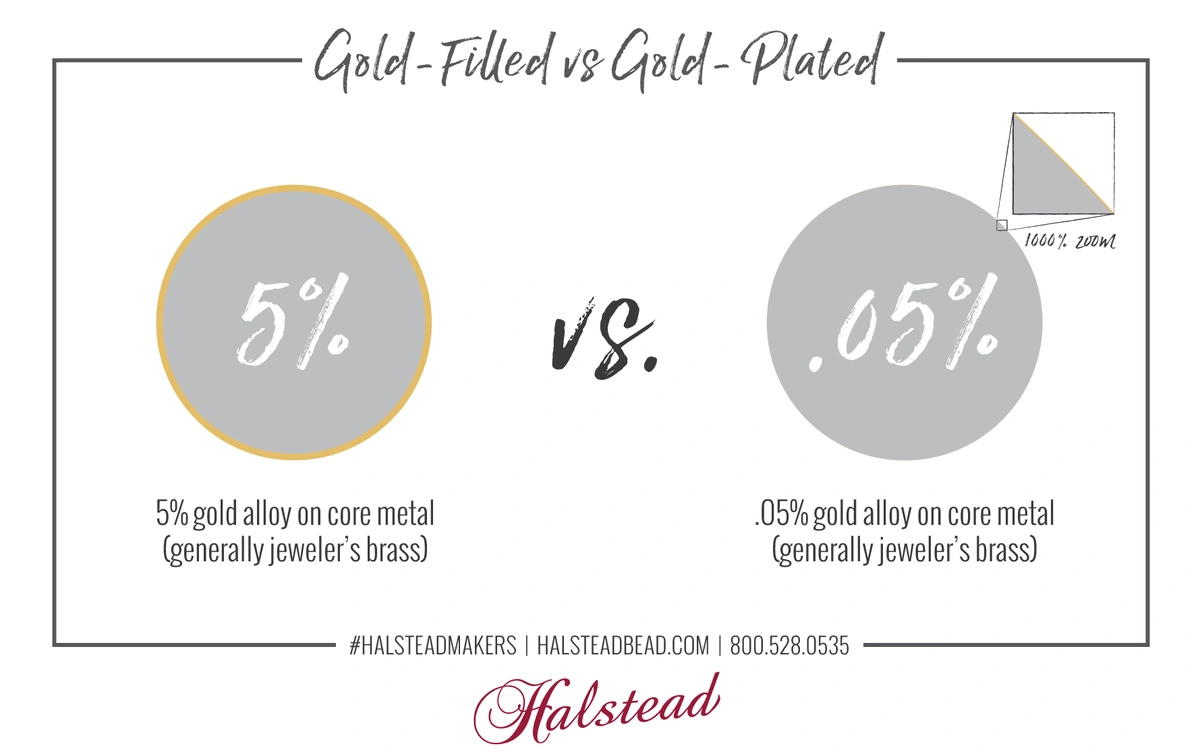
No, gold plating is a minuscule layer of solid gold applied to a brass base. The plating does not compose any measurable proportion of the product’s total weight. It is estimated to be 0.05% or less of the metal product. Gold plating can wear off quickly and expose the brass base product. It does not stand up to heat, water or wear over time. By comparison, gold-filled contains 5% gold alloy by weight. All the gold is on the surface which offers product protection from tarnish and wear.
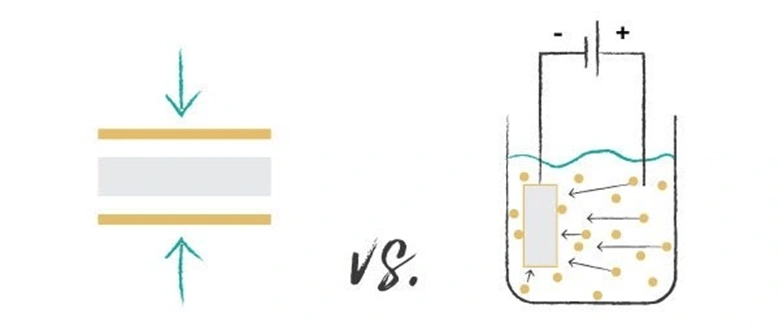
Additionally, gold-filled and gold-plated products are made differently. To make gold-filled pieces, the core metal is sandwiched between two layers of gold alloy which is then heated and passed through a roller several times – a process that both bonds the metals together and thins the sheet out. To make gold-plated pieces, an electric current is used to negatively charge the base metal and positively charge a solution containing gold ions. The positive gold ions are attracted to the negative charge of the core metal, slowly forming a thin layer of gold on top of the core.
Gold-filled items are sometimes gold-plated in finishing to protect solder seams and give items an evenly colored surface. Not sure how to tell if your favorite gold-filled Halstead products have a plated finish? It’s easy! On the Halstead website scroll down to the ‘Specs’ section on the product detail page. Look for the ‘Finish’ disclosure. Items that are gold-filled and plated will have a ‘Gold-Plated’ finish. Items that are raw gold-filled material with no plating will say ‘Bright’ finish.
When it comes to durability, gold-filled pieces are generally more durable than gold-plated due to the thicker layer of gold alloy. The longevity of either type is dependent on the wear, environment, and quality of the piece. The thickness of the gold alloy layer also affects the piece’s chance of tarnishing. Due to the thin layer of gold that can easily wear off, gold-plated pieces tarnish quickly once the metal core is exposed. Gold-filled pieces can still tarnish, but it is more unusual.
5. Can gold-filled tarnish?
Yes, it can, but it takes a rare set of circumstances. Gold-filled pieces are a lifetime products for normal wear because the gold layer bonded to the brass core is quite thick. However, in instances of extreme sulfide exposure, it can blacken. Once discoloration occurs, it spreads between the gold and brass layers and cannot be removed. This has only occurred a handful of times over our decades of experience:
- Foreign transit through extremely polluted shipping docks has caused the product to blacken on several occasions.
- Products stored in nail salons with high levels of chemical sulfide fumes are at risk of blackening.
- A fire where the structure filled with smoke caused blackening.
- Use in permanent jewelry. We do not recommend gold-filled for permanent jewelry. Layered metals are not a good choice for extreme wear and chemical exposure that can occur when an item is on your body 24/7 for months or years. Choose solid alloys such as 14k gold or sterling silver instead. If discoloration or tarnish occurs, these materials can be cleaned and maintained.
These are extreme conditions. However, it has made me think twice about breathing the air in nail salons. With normal wear, gold-filled usually just requires light surface cleaning with an untreated cloth or mild soapy water.
6. Can you be allergic to gold-filled?
Individuals who have skin reactions with gold alloys will also react to the gold alloy layer on the surface of gold-filled. Some people’s body chemistry will cause their skin to blacken or develop a rash when they wear certain metals. I am one of those people and on certain days, my fingers will turn black all around my 14kt wedding band.
7. Why is there a color variance between gold-filled items?
The gold-filled color will vary due to the different finishing processes used by manufacturers. Most items are near the industry standard “Hamilton” color; however, some items will be more yellow, tawny, or darker in hue. Variance has increased because more manufacturers are now working with the material and consumer preferences are changing. Hamilton color was standard for many years but different markets now demand more yellow or brassy looking gold finishes. Some manufacturers will add a plating layer on top of the fused, layered gold-filled material to achieve a high-polish finish of a different color. In recent years, gold-filled has become very popular in Asian countries. Consumers there prefer a more yellow gold that mimics high karat alloys. As manufacturers shift production to serve a more global market, we see a wider color range in products.

8. Is gold-filled waterproof?
Social media influencers who do not know the jewelry industry have widely spread the notion that gold-filled is “waterproof.” This is not a product claim that small businesses should make. The term “waterproof” is a regulated product claim with a high legal bar of substantiation. Products must have specifically approved coatings or treatments to prevent water from reaching the material. “Waterproof” products must also have laboratory testing and documentation to substantiate the use of this term. We do not advertise any materials at Halstead as “waterproof.” You shouldn’t either. Not all items that can get wet can be called “waterproof.” Be careful to use trusted information sources when educating yourself about jewelry products and materials. Many online influencers do not have any real education or experience in the industry and can lead you astray. Gold-filled can get wet, as most metals can. However, the larger issue is the soluble chemicals that may be in the water. Occasional exposure to swimming pools, sea water, and the shower are fine. But you should avoid dishwater, spa treatments, or hot springs that contain higher concentrations of chemicals and minerals.
Overall, gold-filled is a reasonably priced, quality alternative to solid gold. Most gold-filled products are made in the USA or Italy.
Source: Halstead