







Jewelry’s 2026 Holiday Outlook

The 2026 holiday selling season will present American jewelry retailers with a familiar but increasingly complex challenge! Consumers will still seek meaningful gifts, and they still want enduring luxury, but economic uncertainty, higher gold prices, tariff effects and pressure on household budgets are making them more selective about what they buy. The retail opportunity lay in understanding which customers are still willing to buy, what they value most and how to position jewelry as the gift worth choosing.
More than some other discretionary categories, jewelry may face stronger headwinds, but the overall retail outlook remains positive. For retailers, the distinction between rising dollar sales and actual unit growth will be especially important to watch this season.
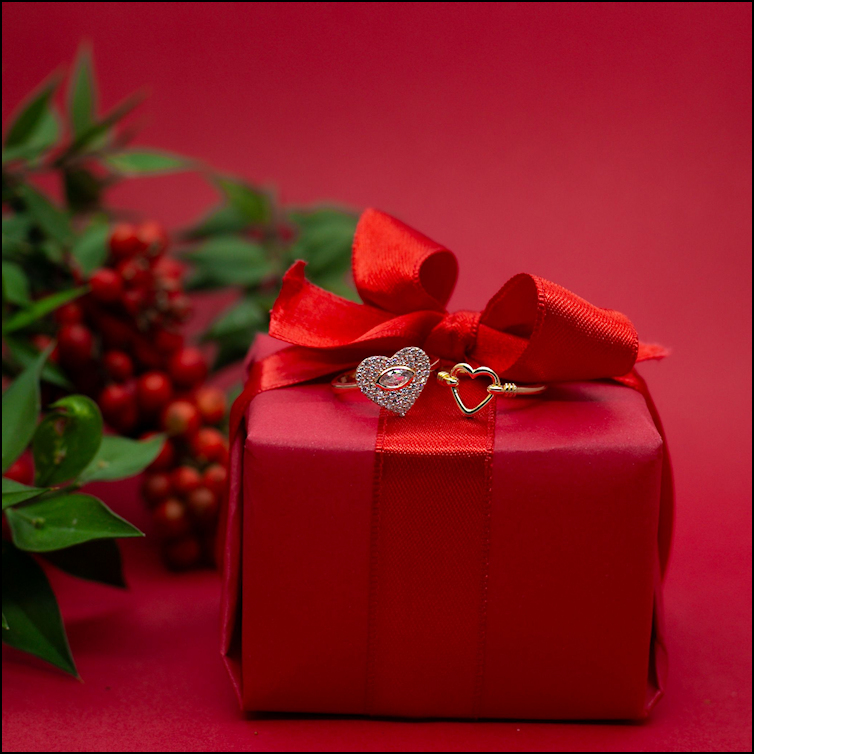 A Growing Market, but a More Discerning Consumer: Mastercard Economics Institute’s 2026 holiday forecast anticipates U.S. retail sales, excluding gasoline and automobiles, will increase 5.5% year over year from November 1 through December 24. Online sales are projected to rise 11%, while in-store sales are expected to grow 3.6%. However, Mastercard estimates that 2.8 of the percentage points of the overall growth will come from inflation, indicating that higher prices, and not just increased purchasing activity, will account for a substantial share of the gain.
Deloitte, offers a more conservative outlook, forecasting holiday retail sales growth of 4% – 4.8% for November 2026 through January 2027, with ecommerce sales projected to increase 7.5% – 8.4%. The differing forecasts reflect variations in measurement periods and methodologies, but both forecasts point toward continued consumer spending alongside stronger online competition.
For jewelry retailers, the more revealing indicator may be consumer intent within the category. A September 2025 report by JCK covering McKinsey & Company’s ConsumerWise survey of 4,013 U.S. consumers found that 43% expected to spend less on jewelry over the following three months. Meanwhile, 47% of consumers expected to spend about the same amount overall this holiday season as last year, and 23% anticipated spending more, according to figures reported from Bain & Company’s holiday outlook.
What these findings suggest is that jewelry retailers should not assume a rising overall holiday market will automatically translate into equally strong jewelry sales. Although consumers may be willing to spend, they will be weighing the choices carefully and looking for compelling reasons to choose one gift over another – or one jeweler over another.
Gold Pricing is Reshaping the Jewelry Opportunity: One of the most significant influences on this year’s jewelry holiday will be the cost of precious metals. The World Gold Council reported that U.S. gold jewelry demand remained weak in the second quarter of 2026, as the elevated gold prices constrained affordability. Consumers increasingly sought out lighter-weight pieces and lower karat purity. Higher-end jewelry proved more resilient than more mass market products. Globally, the value of gold jewelry demand rose 22% year over year during the first half, even as the volume of gold purchased declined.
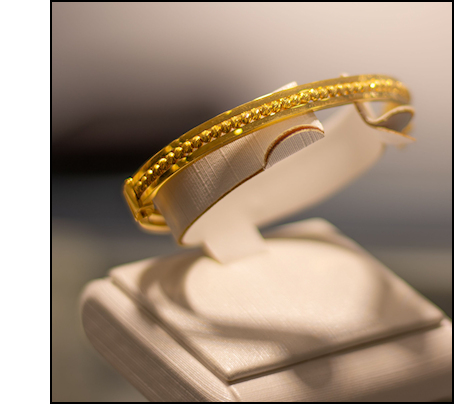 For retailers, this presents both a merchandising challenge, as well as an opportunity. Higher gold prices may support sales revenue but can also discourage customers who associate a fine jewelry purchase with a particular budget. Offering a broader selection of price points, including more delicate or open-linked gold chains – such as paperclip styling, smaller gemstone pendants, lightweight earrings and smaller, but stackable rings and bracelets, can help maintain the accessibility and underscore the fashion-ability, without sacrificing perceived quality.
The market is also becoming increasingly divided. JCK reported in August that fine jewelry was outperforming other luxury categories. They cited Richemont’s 24% jewelry sales growth for the quarter that ended June 30th. Yet a Reuters report published on October 6 found that U.S. luxury jewelry was weakening.
The takeaway here is that affluent consumers may continue to seek out specific brands or exceptional pieces, but shoppers with tighter budgets need a more compelling value to purchase. Retailers should prepare for both this season.
Important Categories This Holiday: Industry reporting and current consumer preference would point toward several promising categories for the holiday. Everyday fine jewelry and personalized gifts. Delicate gold chains, charms, pendants, birthstone jewelry and stackable pieces offer emotional significance and frequent-wear versatility. JCK’s September holiday trend report highlighted personalization and everyday diamond jewelry as important opportunities. These types of pieces appeal to shoppers seeking gifts at attainable price points.
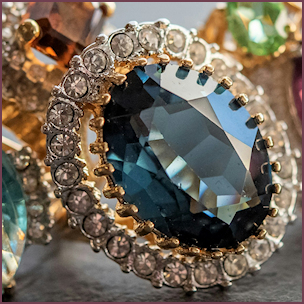
JCK also reported growing interest in colored gemstones for both bridal and fashion jewelry. Sapphires, emeralds, tourmalines and other distinctive gems offer a way to differentiate merchandise from conventional diamond gifts. The range of colors, individuality and varying price points make them attractive candidates for distinctive holiday gifts.
According to MarketWatch, lighter-weight gold may appeal to budget-conscious buyers, but affluent customers are still showing interest in substantial bold gold statement pieces, sculptural rings and expressive designs. MarketWatch reported in September that retailers including Macy’s, Signet and Costco had identified fine jewelry as a bright spot in their business.
Diamond essentials and bridal jewelry. Tennis bracelets, diamond hoops, classic pendants and versatile rings can serve as both holiday gifts and self-purchase items. It’s important to remember to merchandise both natural and lab-grown diamonds with clear explanations of their differences, pricing and value propositions. Retailers should avoid assuming that every shopper has the same priorities concerning origin, size or budget.
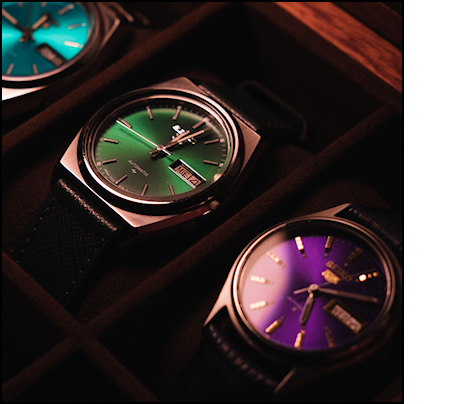 Watches remain relevant as milestone gifts, particularly for shoppers seeking craftsmanship, heritage and lasting significance. However, the recent weakness in luxury watch spending argues against assuming that premium timepieces will enjoy broad-based growth. Retailers should emphasize recognizable styles, dependable service, gift presentation and products suited to their established customer base.
Caveat: These category predictions are directional, based upon industry reporting and consumer trends. They are not quantified forecasts of category sales!
Winning the Holiday Selling Season: Timing will matter! Mastercard’s analysis of the 2025 holiday season found that more than 35% of in-store spending in jewelry, handbags and cosmetics between November 22 and December 25 occur during the final week before Christmas. Average transaction values in premium gift categories also tended to rise as Christmas loomed larger.
Therefore, retailers should prepare for both early researchers and last-minute shoppers. Begin promoting gift guides, personalized pieces and price-point collections before November. Keep product photography, inventory availability, pricing/sale information and shipping deadlines current online – and make it easy for customers to move from “browsing” to “purchasing” in both the in-store and digital environments.
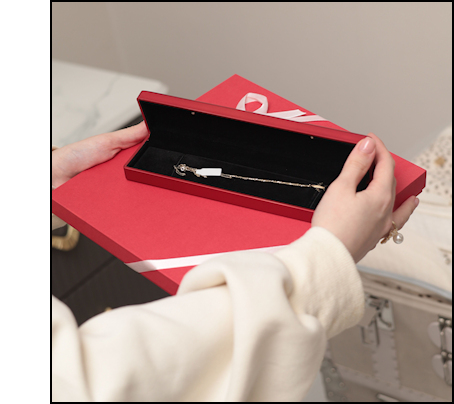
The strongest strategy is to sell the meaning and customer benefit behind the merchandise, not simply its material value. Private shopping appointments, complimentary wrappings, cleanings and personalization can differentiate a retailer from a competition, as well as special holiday return policies.
The 2026 holiday outlook is cautiously optimistic for jewelry retailers. Overall retail spending is expected to grow, but jewelry’s performance will depend on how effectively retailers respond to affordability concerns, shifting luxury demand and the consumers’ desire for personal and lasting gifts.
Stores that combine compelling storytelling, accessible price points and exceptional service will be best positioned to turn selective shoppers into holiday buyers.