




Store Design That Sells-Why Layout, Displays, and Packaging Matter More Than Ever
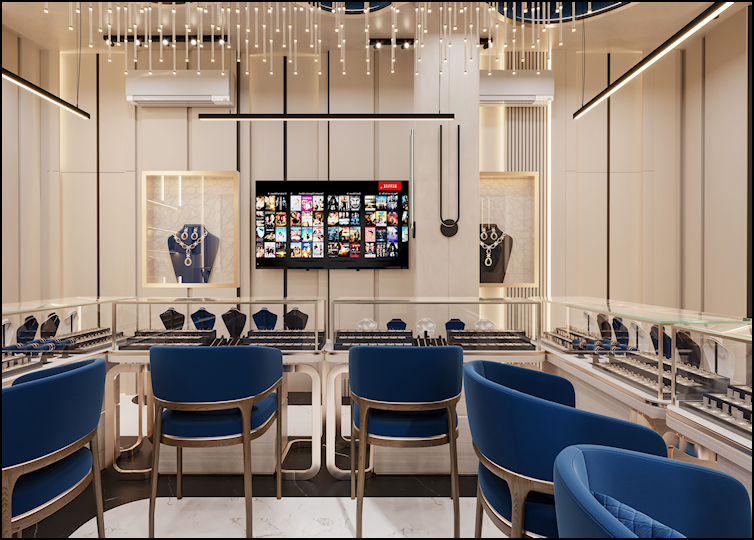
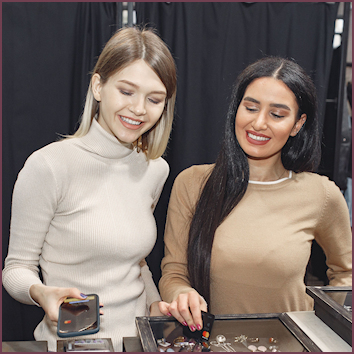
Today’s jewelry shoppers expect more than beautiful merchandise – they expect an experience! While several factors of a store remain essential, the physical environment plays a critical role in influencing purchase decisions. Research consistently shows that store design, lighting, merchandising, and packaging all contribute to customer satisfaction, dwell-time, and sales performance.
An effective store layout encourages customers to “explore”, rather than simply browse. Retail studies have found that shoppers who spend more time in a store are significantly more likely to make a purchase, with increased dwell-time also leading to higher average transactions. Additionally, consumer behavior research indicates that many shoppers naturally turn to the right upon entering a store, making the entrance and right-hand-side showcases prime locations for new collections, seasonal promotions, or high-margin items.
Creating a well thought out traffic flow helps customers move comfortably in the space without feeling rushed or overwhelmed. Wide aisles, unobstructed sightlines, and thoughtfully positioned showcases encourage exploration while allowing sales associates to engage customers easily. Rather than placing all premium merchandise in one area, distribute featured collections throughout the space to create multiple discovery points and, thereby, increase the exposure of complementary products.
According to award winning store designer Leslie McGwire, of Leslie McGwire & Associates, “Investing in a well thought out design, from traffic flow and fixtures to atmospheric elements, helps a store accelerate their business’ return on investment. The increasingly sophisticated shopper demands a store that is innovative, bold and creative, but relaxing.”
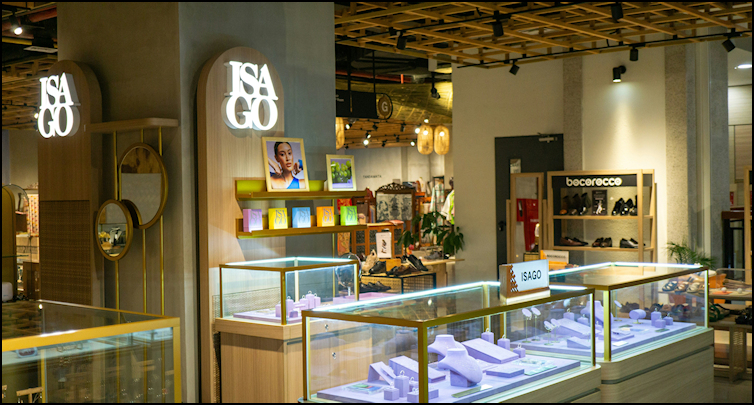
Lighting is Key
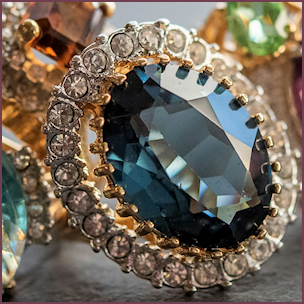
Lighting is one of the most powerful tools available to jewelers. Diamonds, gemstones, and precious metals all interact differently with light, making proper illumination essential.
Layered lighting gives the best results. A central light fixture creates effect and positioning, ambient lighting provides overall comfort, accent lighting highlights showcases and featured collections, and task lighting allows customers to inspect the fine details. High-quality LED lighting has become the industry standard because it offers excellent color rendering, while reducing energy consumption and heat, compared to older lighting systems.
A major consideration in lighting is to eliminate extreme shadows and harsh glare on showcase glass, which can distract from the merchandise and diminish the experience. Well balanced lighting creates sparkle where it should be – on the jewelry but keeps the rest of the space warm and easily seen.
Balance Beauty and Durability
From the moment a customer walks through the door, a jewelry store should communicate quality. Warm, inviting color palettes paired with natural textures such as stone, wood, brushed metals, and quality upholstery create an elegant and welcoming atmosphere while reinforcing perceptions of luxury and craftsmanship.
As retail environments experience constant customer traffic, durability matters as much as appearance. Commercial grade flooring, scratch-resistant countertops, stain-resistant fabrics and high-quality display finishes can reduce maintenance costs and uphold the store’s professional appearance over time. Investing in quality and durable materials also minimizes issues with repairs or replacements.
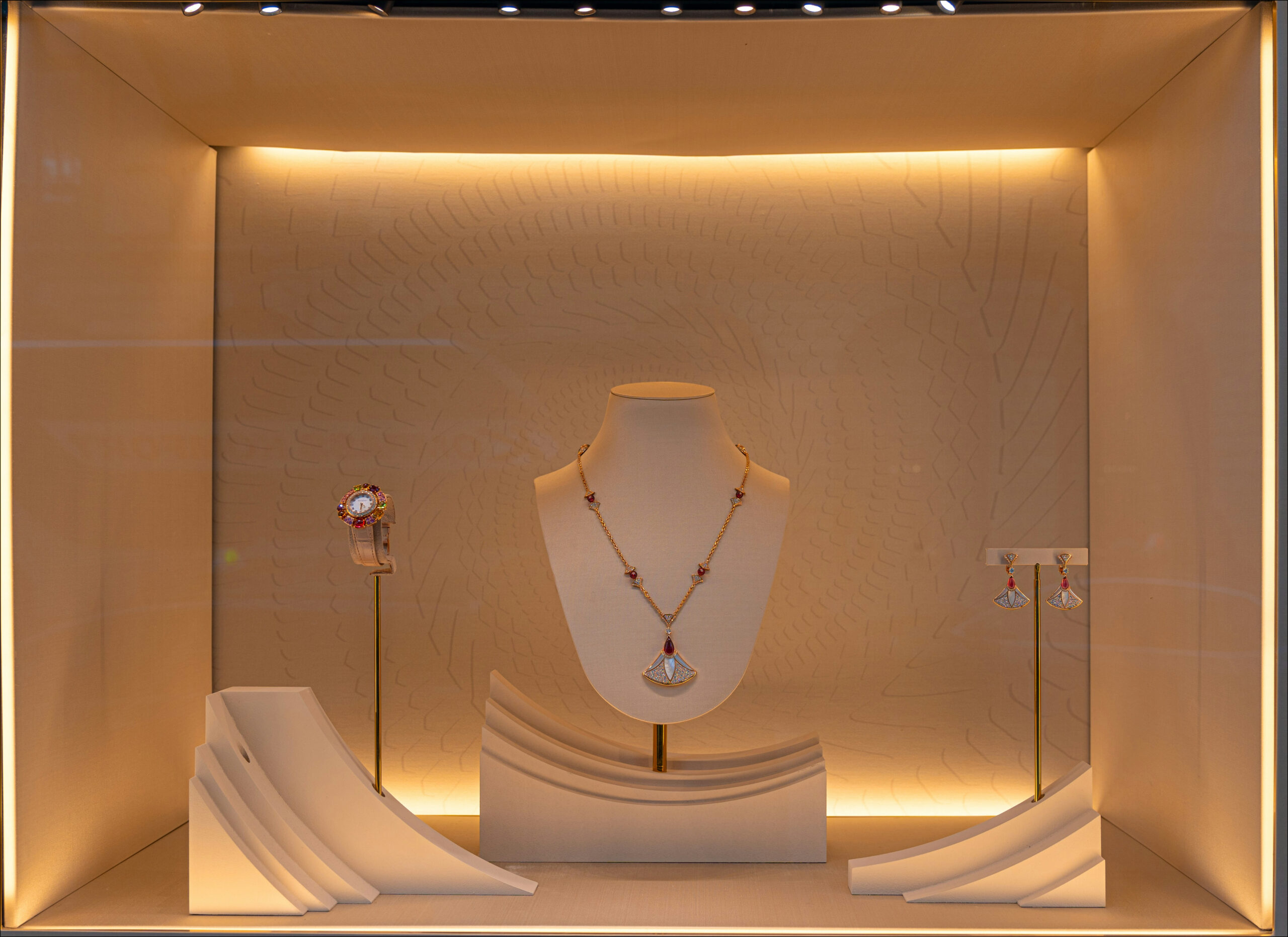
Displays Drive Discovery and Sales
Visual merchandising directly influences purchasing behavior. Research from retail merchandising organizations suggest that well-designed displays increase customer engagement while making products easier to compare and understand.
Darrell King, president and CEO of Plumb Club Member, Gunther Mele, a custom packaging company states, “Great jewelry displays should be well organized to reduce clutter and create clear focal points that guide the buyer’s eye toward the jewelry you want to sell.”
Effective jewelry displays tell a story rather than just present product. One way to drive discovery is to group merchandise by “lifestyle collections” rather than simply by category. Grouping ideas can include “Everyday Luxury,” “Wedding Weekend,” “Layering Essentials,” or “Milestone Markers.” These curated presentations spur interest and help customers visualize ownership, often inspiring additional purchases.
Some proven display strategies include:
- Varying display heights to create visual interest.
- Limiting the number of items on a display to avoid visual clutter.
- Minimizing display props, such as flowers, stones, etc. to not overpower the jewelry.
- Refreshing displays regularly to give returning customers new discoveries.
- Positioning of complementary products together to encourage add-on sales.
Cross-merchandising is one of the simplest ways to increase average ticket size. When customers see complete styling solutions, rather than just individual pieces, they are more likely to purchase complementary items.
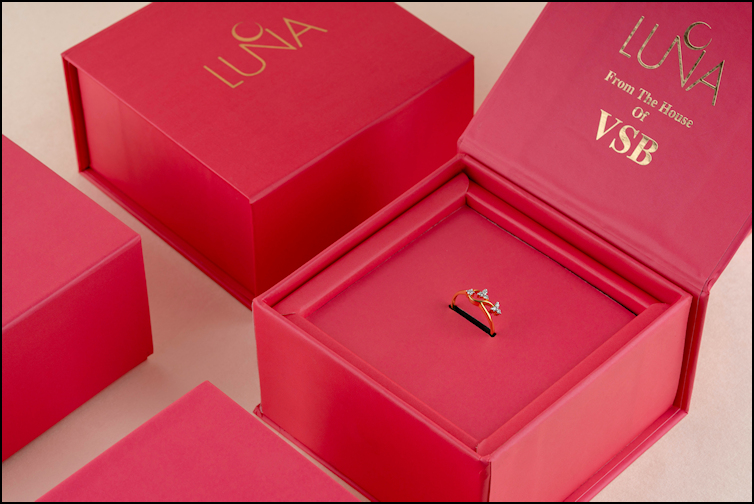 Packaging Extends Customer Experience
Although the goal might be to get them to the register, the customer journey doesn’t end there. Packaging becomes part of the ownership experience and serves as an ongoing reminder of your store. Premium packaging communicates value and reinforces the customer’s positive emotions surrounding the purchase. Every time customers open a branded jewelry box or bag, they relive the excitement of buying or receiving the piece. Jewelry packaging companies often carry sellable product lines for stores to offer protection for multiple jewelry pieces when not being worn or when traveling.
King adds, “In a sea of brands, beautiful, purpose-driven packaging is more important than ever. It is an investment in your brand that reinforces your core values while rewarding and delighting your customers.”
A store’s branded packaging also creates valuable word-of-mouth marketing. Quality gift bags, ribbon, tissue, care cards and polishing cloths keep a store in top-of-mind long after a customer leaves. Thoughtful packaging supports repeat business by being a reminder of your store when customers being shopping for other occasions or holiday gifts.
Details Influence Sales
Store layout, lighting, materials, displays, and packaging are more than simple design choices. They are strategic investments that shape customer perceptions and buying behavior. Research consistently demonstrates that shoppers respond positively to environments that feel organized, comfortable, and inspiring.
By creating an inviting space, guiding customers naturally through it, showcasing merchandise effectively, and extending the brand experience past your doors through premium packaging, jewelers can augment customer engagement, encourage add-on purchasing, strengthen brand loyalty, and, ultimately, improve long-term sales performance.