








Color Trends to Inspire
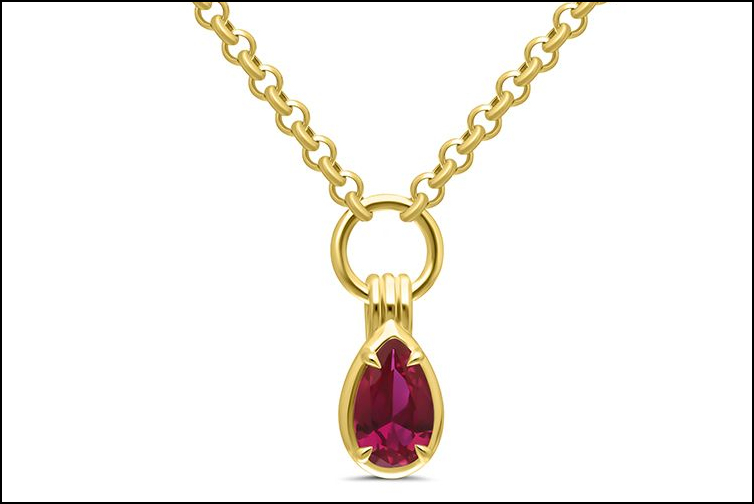
Given that most jewelry trends trickle down from top designers in the market, the origin of looks for 2026 should be no different (though colors and silhouettes will be new). This year, expect to see sculptural effects, beads, yellow gold (despite the price), and vintage-inspired styles, among others, providing manufacturers with plenty of inspiration to make new collections.
Perhaps the most important jewelry trend today, however, is colored gemstones. Why? The chaos of the diamond industry has led to falling prices of both natural and lab-grown diamonds because of the rise of the latter in the past five-plus years.
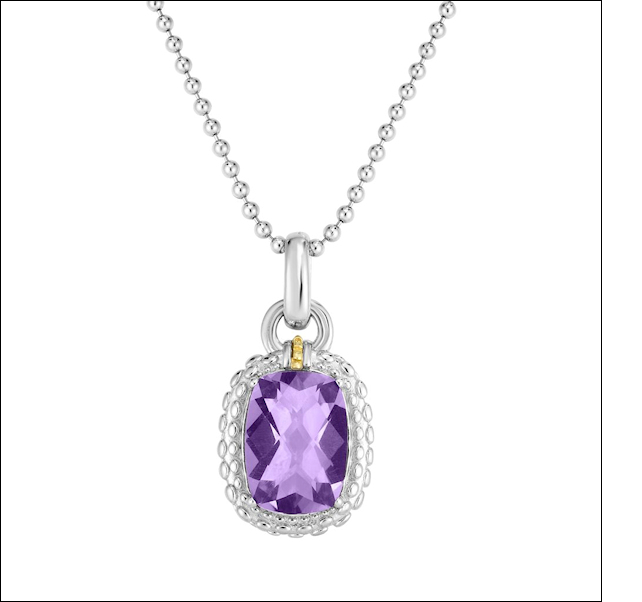
Royal Chain
Colored gems of all types, not just the Big Three, are proving their uniqueness and ability to hold value compared to diamonds. Even high-end fashion brands like Prada, Chanel, Bvlgari, and more, are expanding further into fine jewelry featuring a wide variety of colored gemstones. Some would argue it’s their most significant direction and may prove to be a profitable one considering what they’re featuring.
There are unusual and rare gems like Paraíba tourmaline but there are also more abundant materials like peridot, amethyst, and citrine set as the stars of many of their new designs, giving an incredible platform and visibility to widely available varieties. Brands have moved well beyond Big Three materials to enlighten and educate shoppers about the wider world of colored gemstones, and this is important news for every maker to know.
Independent jeweler and department store brands like LALI Jewels offer a quintessential visual case study of the importance of what used to be called ‘semi-precious’ gems in a recent catalog, showcasing graphic compilations of amethyst, topaz, garnet, rose quartz, and more, in super wearable and easy- to-appreciate designs.
Chatham, too, is aware of what’s happening and is prepared with lab-grown emerald, sea-foam green shades of lab-grown chrysoberyl, and peach-colored lab-grown champagne sapphires. According to Monica McDaniel, vice president and marketing director, these colors “offer balance with the softer monochromatic 2026 trends” and “pair beautifully with other colors,” she explains. “Since we offer 14 lab-grown colored gemstones, we believed that color-blocking is important for jewelry sales.”
And while mixing and matching colors is growing in popularity, color-blocking remains important, she confirms.
“For example, if a customer wants to find a distinct color gemstone to complement an existing piece, we recommend showing them one complementary color at a time,” advises McDaniel. “This helps the customer not get overwhelmed with options. It also allows them to pay attention to the jewelry style as well as color.”
Valerie Fletcher, vice president of design and product development for ODI/ Original Designs, wholeheartedly agrees.
“Color-blocking is a great way to tell a story and demonstrate how to mix and match different gemstones,” she says.
Training helps drive home key parts of color psychology.
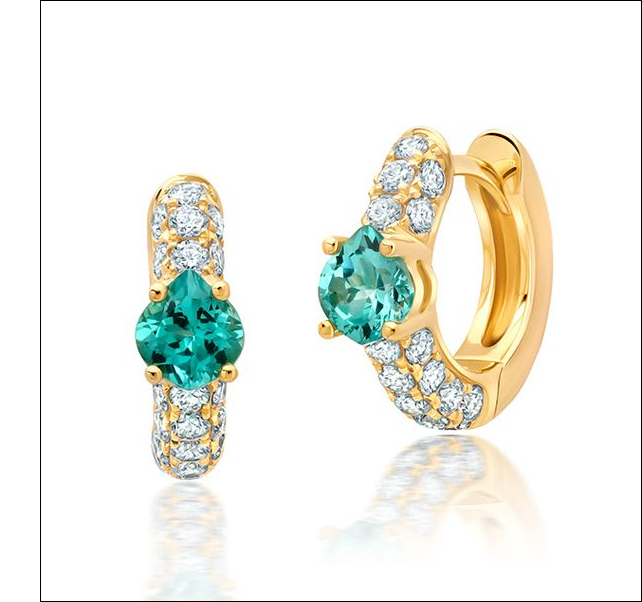
Chatham
“Years of scientific research has proven that color influences a person’s emotions based on their culture, personality, and experiences,” continues McDaniel. “As you learn about your customer’s personality and lifestyle, this will cue you into which lab-grown color gemstone fits their taste. For more information, check out our B2B training blog.”
Fletcher, meanwhile, urges accounts to create small in-store vignettes to translate colorful pop-culture moments. Top of mind for her: “A ‘Bridgerton’ story with romantic, vintage-inspired gemstone pieces and pearls, or a ‘Wicked’ story with bright pops of pink and green.”