


The Future of Lab Diamonds
Prices for lab-grown and natural diamonds still haven’t hit bottom, making many in the industry nervous about what lies ahead. What is certain is that labs will always cost less than naturals, and insiders are confident that labs are here to stay. They’re an option for clients who might not otherwise have been able to own a diamond, and buyers are guaranteed a better quality in lab than they would in lower-quality SI natural diamond goods, which was the mainstay of many fashion lines.
“We need to allow both categories to coexist,” says Amish Shah, founder of ALTR, a lab-grown diamond jewelry manufacturer. “I firmly believe there’s an opportunity in both the categories.”
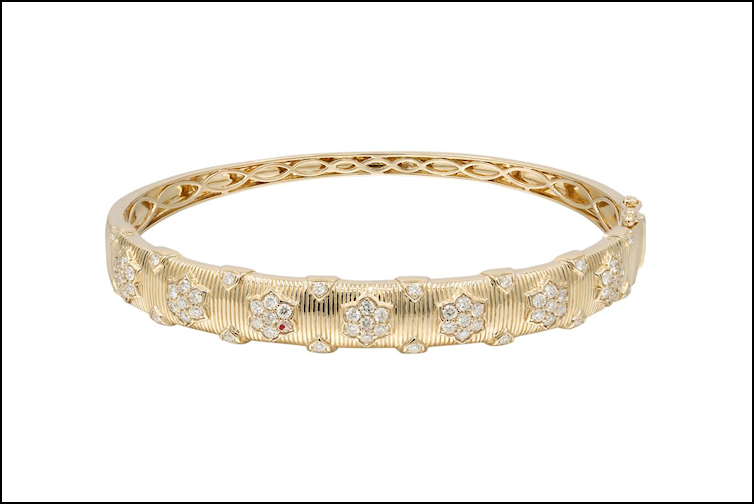
For sure, labs rule when it comes to innovation and more bang for your buck in the bridal arena. In the commitment ring category, oval and elongated lab-grown diamond centers are moving well “thanks to Ms. Swift,” notes Shah. The bulk of his lab-grown diamond sales are in bands, followed by engagement rings, then diamond bracelets and tennis necklaces.
“The lab-grown diamond category is a whole new world,” he says.
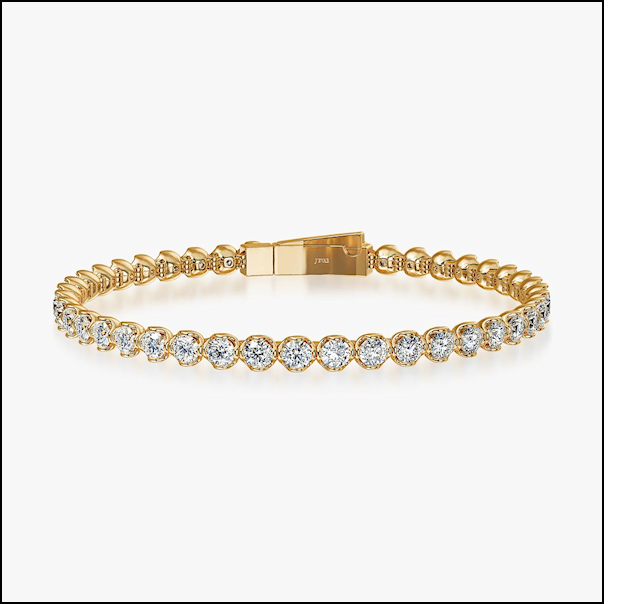
ALTR
Valerie Fletcher, vice president of design and product development at ODI / Original Designs, also sees a commitment ring category future for labs. At her company, labs are popular in 1.0 ct.–2.0 ct. and up and with insert rings, and in ODI’s vermeil fashion pieces like riviera necklaces, tennis bracelets, and larger studs.
“We only entered lab-grown [diamonds] after the price correction and have kept margins intentionally low, so we aren’t dealing with any legacy fallout from earlier inflated pricing,” she says. “And our customers aren’t experiencing the buyer’s remorse, or overpriced, excess inventory from those earlier purchases. The market is saturated. Retailers are sitting on substantial lab-grown inventory, so the challenge is in identifying the right niche within their existing assortments.”
At Cirari, most of its lab-grown diamond jewelry is fashion-forward pieces (bridal isn’t a big category for the jewelry manufacturer). Mark Funk, vice president of sales and marketing, knows that labs are an important part of most retailers’ businesses.
“I haven’t talked to anyone lately who doesn’t sell lab, some almost exclusively in engagement rings,” he says. “I know a jeweler who stayed away from labs for nearly 10 years, and his accountant told him he’s probably off about $50 million in sales because of that decision. And you know what? He still doesn’t sell lab. He said, ‘I’ve already taken my beating. There’s no point in changing now.’ I said, ‘You may want to reconsider that because it’s not going to die tomorrow.’ Maybe two years from now, maybe three, but if you can do $3 or $4 million a year in it, give the people what they want.”
Another jeweler friend of Funk’s has a small chain of stores, and 80%–90% of his inventory is lab grown. Before labs took off, he was like every other jeweler in terms of categories and offerings.
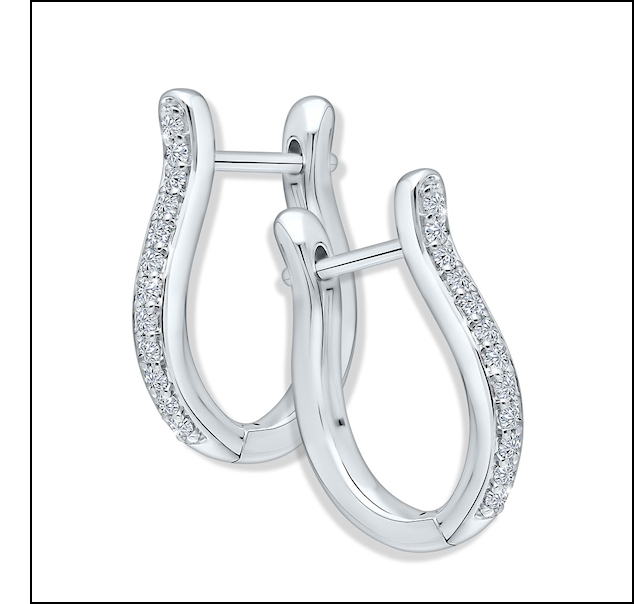
ODI / Original Designs
“I think that more retailers will get into it heavier than they already are or get into it for the first time if they haven’t,” he continues. “I’ve looked at our orders in the last couple of months, and more retailers have bought more of our fine beautiful fashion [lab] stuff. I think we’ll see more of that next year because the consumer wants more.”
Most interesting about Funk’s views is that he originally didn’t want to be in the lab diamond category at all, telling his employer not to sell them. This was just a few years ago.
“I really did think lab was on its last legs,” he says. “I told our company that it wasn’t our forte and we’re not a grower, that I didn’t want to be a lab wholesaler. We’re a prime source manufacturer. I was wrong. I think lab-growns will still be a big push in 2026.”