



Divergent Diamond Designs
 In a crowded jewelry marketplace in the diamond-loving U.S., manufacturers are making some definitive choices about new designs and what gets lab-grown versus natural diamonds. To that end, a clear demarcation of the two categories is taking shape, with directions that surprise few: quality and rarity lovers buy naturals, and the fashion- and flash-loving public goes for labs.
Industry insiders reveal that affluent jewelry collectors are largely scaling up and buying rare natural diamonds as are lovers of quality jewelry in modest sizes. “Natural diamonds are perfect for gold and platinum in understated, minimal designs with smaller diamonds, where the cost differential between lab and natural is not as pronounced,” observes Valerie Fletcher, vice president of design and product development of ODI / Original Designs.
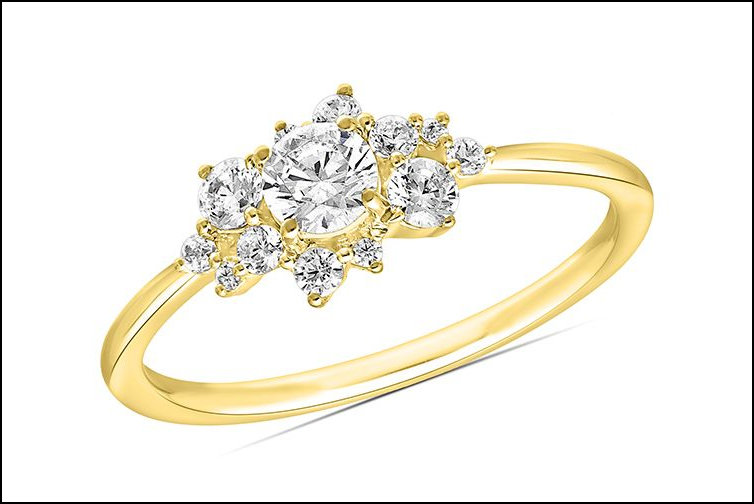
“Our Simply Platinum Collection features classic bridal and fashion designs in natural diamonds. The inspiration was the marriage of two of the rarest, most luxurious, natural materials.”
ALTR
Among those natural diamond fans are the ones interested in traceability, country of origin, and knowing the diamond’s journey from rough to polished. That’s an area that Leo Schachter Diamonds is working hard to deliver.
“These are for the consumer who wants something that means something, unlike labs that lack worth and trade-in value,” explains Lenny Kramer, executive vice president of sales.
Value and worth are traits that only the natural diamond category can provide, both in white diamonds and in natural fancy colors. These “have only appreciated over time because they are genuinely, authentically rare,” observes Amish Shah, founder of ALTR, a lab-grown diamond jewelry manufacturer. “There will always be a segmented consumer in the bridal category—about 20%—that will look for newer designs consistently in the earth-mined diamond category.”
Included in that segment are some of Cirari’s wealthier clients who seek out better-quality natural diamond jewelry, a niche that the manufacturer is happy to serve.
“What we’re doing is building finer, higher price points in goods,” reveals Mark Funk, vice president of sales and marketing. “That’s our design trend—design what the higher-end consumer wants in better natural goods. We’ve got a beautiful emerald-cut white and yellow natural diamond line necklace that retails for between $150,000–$200,000, depending on weight. We’ve sold four in the last month. This is what we’re doing in natural for the consumer who’s not affected by the economy, the dollar devaluation, gold price, or anything else. They’re just buying what they want because they have the money. These folks are usually in the upper 10%–20% of clients of retail jewelry stores. We’re building goods for them.”
Meanwhile, the rest of the jewelry-buying public is going after the look-for-less option of lab-growns. In that arena, there’s plenty to offer because designers and manufacturers can experiment freely due to the low cost of production.
Funk’s lab-grown diamond jewelry buyers have dozens of new designs to choose from across all the styles, with many featuring multi-stone looks of clusters of stones in large carat weights.
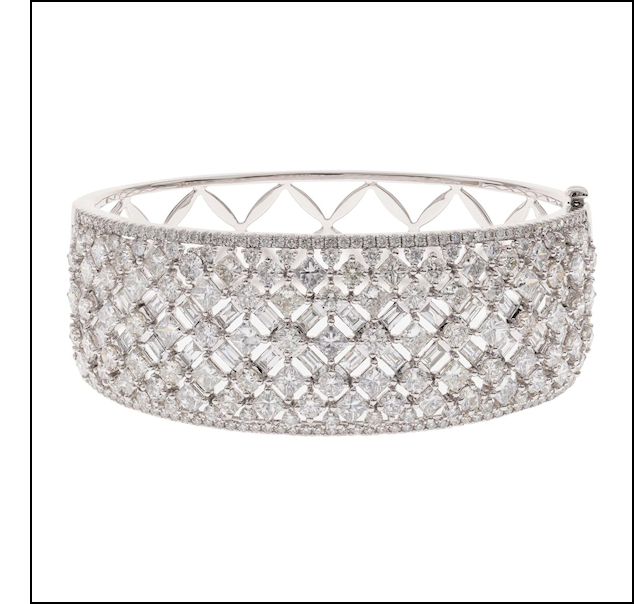
“We have one ring with a 4.5 ctw. of lab-grown diamonds that looks like a million dollars on the finger,” adds Funk. “That’s the direction where our design team is focused, plus flexible bangles with labs.”
The real beauty of lab diamonds, however, stands out in the innovative minds of producers and designers. From custom cuts to custom colors, “the world of created diamonds allows designers to step outside the traditional lines to visualize, imagine, and then allow manufacturers like us to translate ideas into beautiful diamond cuts for designers to craft into fine jewelry,” says Shah.
Cirari / Color Jewels
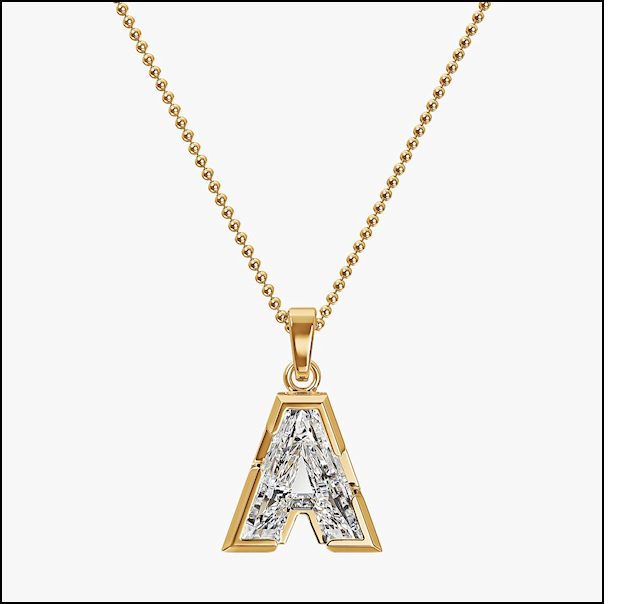
Among his firm’s innovations? Letters cut from lab-grown diamonds and a plethora of unique lab-grown diamond colors, such as lilac and pumpkin, in myriad fancy shapes.
“There is a consistent evolution in colors and diamond cuts,” he adds.
One of his most special creations yet is coming soon for his niece.
“She would love a pink teddy bear,” he reveals. “And I mean a single diamond cut into a teddy bear, in pink. So, this is where the trends are evolving. It’s new conversations for wider and newer marketplaces.”