Pros & Cons of Online Jewelry Design Courses
Learning Jewelry Design Online
With just a laptop and a spark of creativity, can you master jewelry design from home? In today’s digital age, the concept isn’t just a possibility; it’s transforming the landscape of creative education. Jewelry design courses offered online are surging in popularity, allowing budding designers to learn intricacies from the comfort of their own homes.
The thought of learning a jewelry design course online holds appeal for many, yet it also raises questions. Can online education truly replace the tactile, hands-on experience of designing jewelry in person? Let’s explore how this paradigm shift is empowering aspiring designers worldwide.
Why Jewelry Design is Perfect for the Digital Age
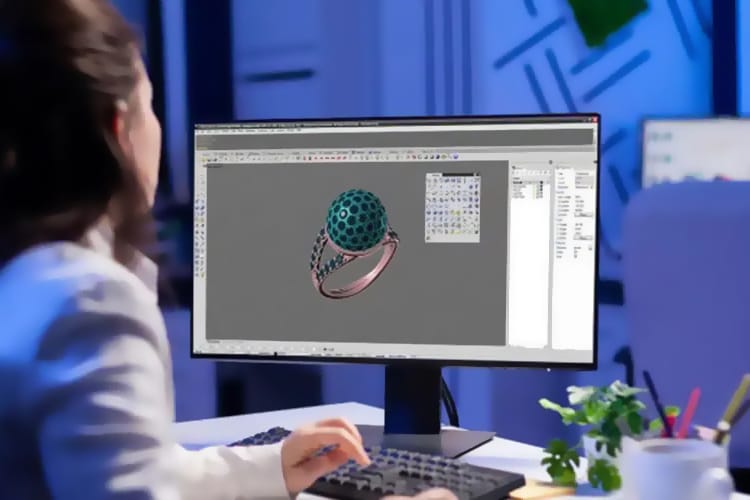
In an increasingly digital world, jewelry design naturally aligns with recent technological advancements. Tools such as CAD (Computer-Aided Design) and 3D modeling software have transformed traditional design methods, making them more accessible and versatile. With the pandemic catalyzing a broader shift toward digital learning, more individuals are seeking online jewelry design courses to enhance or launch their careers. Moreover, robust online communities offer platforms for jewelry design course enthusiasts to exchange ideas, share critiques, and foster creativity. These thriving spaces have become invaluable for learning and growth, strengthening the potential of online jewelry classes.
What You Learn in an Online Jewelry Design Course
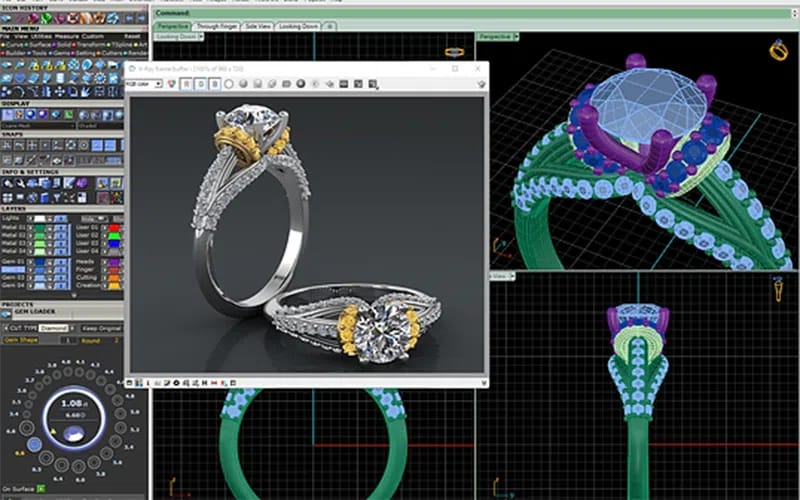
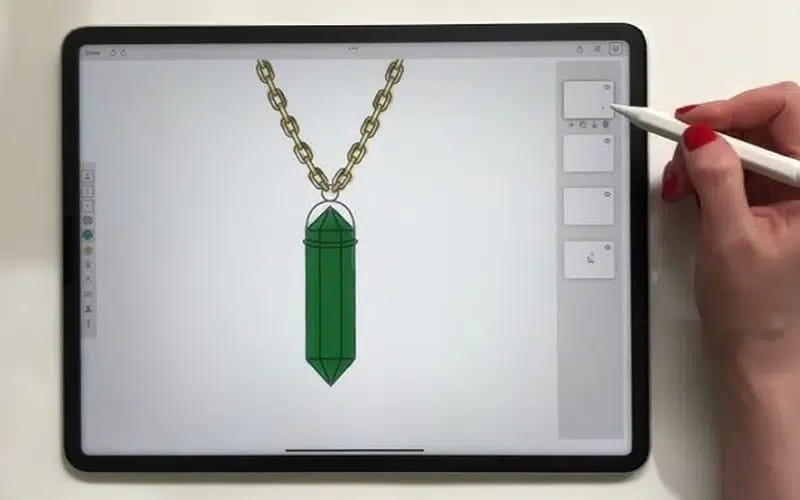
A structured online jewelry design course typically encompasses a wide range of skills, each of which is essential to mastering the craft. Students learn sketching techniques—both manual and digital—to understand design theory and develop their style. Familiarity with CAD software, such as Rhino, MatrixGold, or AutoCAD, is integral, given its prominence in modern jewelry creation.
Beyond software, lessons in stone setting, trend analysis, and interpreting client briefs enrich the learning experience. Developing a professional portfolio is a crucial step, as it provides students with tangible evidence of their work to present to potential clients and employers. These jewelry design courses offer a comprehensive education that integrates artistic fundamentals with practical application.
Pros of Learning Jewelry Design Online
The benefits of choosing an online jewelry design course are numerous. You can learn at your own pace, which is especially advantageous for working professionals and students. Online courses often connect learners with global instructors, exposing them to diverse styles and techniques that are not readily available in localized settings. Additionally, jewelry design courses conducted remotely are often more cost-effective than in-person alternatives, allowing students to efficiently manage CAD jewelry design course fees without compromising on quality.
Importantly, these jewelry courses provide direct access to software tools essential to the jewelry industry, ensuring proficiency from the outset. The flexibility offered by online jewelry classes makes them appealing to anyone juggling multiple commitments.
Challenges and How to Overcome Them
Despite their benefits, online jewelry courses can come with specific challenges. Without physical tools or materials, students might find hands-on learning limited. Workshops or prototyping opportunities are often scarce, and obtaining real-time feedback is harder. However, these are problems that any person can resolve by using the right approach.
Solutions:
Join critique groups or online communities: Engaging with others for feedback and support is vital.
Participate in live Q&A or mentorship sessions: Direct interaction helps refine skills and inspires new ideas.
Use 3D printing services to prototype your designs: Physical models offer invaluable insights into your creations.
Can You Go Pro with Just Online Learning?
Absolutely! Numerous success stories underscore that a jewelry CAD design course undertaken online can indeed be a steppingstone to professional success. Building a strong portfolio and practicing consistently remain central to honing your skills. Putting extra effort into other soft skills, such as creativity, client communication, and trend adaptation, further cultivates readiness.
While supplementary workshops can enrich learning, they are not strictly necessary to achieve professional competence. Online education in jewelry courses, when pursued diligently, equips learners with the tools needed for a thriving career in jewelry design.
Tips to Maximize Your Online Learning Experience
To excel in a jewelry CAD design course, consistency is key. Establish a practice schedule to reinforce learning. Engaging in forums, social groups, or Discord channels can provide critical feedback and community support. A great way to demonstrate the refinement of your skills and overall growth is by regularly updating your portfolio. Exploring freelance opportunities or internships offers practical application of online learning and fortifies expertise in a competitive market.
Conclusion
Yes, you can become a pro with a jewelry CAD design course – if you stay disciplined and supplement your learning smartly. These digital platforms for learning a jewelry course online have democratized access to knowledge, enabling passionate individuals to realize their potential. Are you ready to sketch your first masterpiece? Explore our recommended jewelry design courses and start designing today!
FAQs
1. Can I get certified with an online jewelry design course?
Yes, many online jewelry design course programs offer certifications that are recognized by employers.
2. Is online learning better for CAD or hand sketching?
Online learning excels in CAD due to its software-driven nature, but also offers resources for hand sketching.
3. How long does it take to become job-ready?
Depending on the dedication and course intensity, becoming job-ready can take several months, which aligns with the CAD jewelry design course fees.
4. Can I freelance as a jewelry designer after completing an online course?
Absolutely. Many online course graduates successfully transition to freelance work, benefiting from the flexibility and creative autonomy that online learning offers.
Source: International Gemological Institute.