





Valentine’s Day! Turning Romance into Retail Sales
Valentine’s Day remains one of the jewelry industry’s most important seasonal selling opportunities. Even though candy and flowers attract a number of consumers, jewelry commands the largest share of Valentine’s Day gift dollars, making the holiday particularly important for jewelry retailers.
As retailers prepare for Valentine’s Day 2027, the previous year’s statistics offer an encouraging directional benchmark. According to the National Retail Federation (NRF) and Prosper Insights & Analytics, total Valentine’s Day spending in 2026 was $29.1 billion, which was up 5.8% from 2025. Jewelry spending for Valentine’s Day outpaced general spending, claiming $7.0 billion, which was an increase of 7.7%. Additionally, the category ranked first in total dollars, ahead of evenings out, clothing and flowers.
As of the writing of this article, the NRF forecasts for Valentine’s Day 2027 had not been released. However, for preliminary planning, retailers can use the 2026 results to model a range of outcomes. For example, a flat year would put consumer jewelry spending for the holiday at $7.0 billion, a moderate growth scenario would add 3% bringing jewelry to a $7.21 billion spend, while a repeat of the 2026 +7.7% growth would put that figure at $7.54 billion. A reasonable planning approach would be to prepare a range between these figures (growth of approximately 5%) rather than assume that 2026’s growth will repeat.
 The NRF 2026 holiday survey from October also found that 53% of consumers expected to shop online. This would indicate that, for 2027, jewelers should approach the holiday as an integrated online and in-store opportunity, with websites, social media and personal service working together to turn browsers into buyers.
Category and Price Point Prioritization: 2026 also provides some insight into what should be prioritized for the holiday. An effective Valentine’s Day assortment should include traditional romantic designs alongside jewelry that can be worn year-round. Retailers can use their own sales history, customer demographics and margins to determine the exact areas of inventory depth and price point. However, here are some historically popular categories and price points.
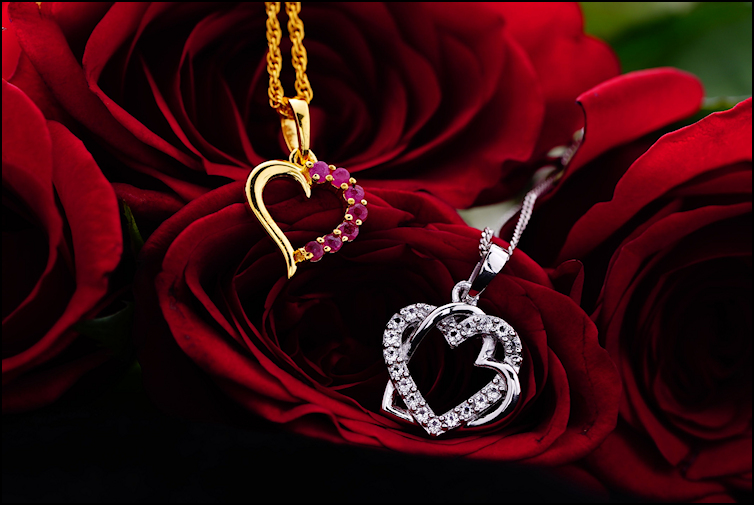
- Romantic Necklaces and Heart Jewelry: Heart pendants, gold chains, diamond pendants and gemstone necklaces are natural Valentine’s gifts. Offer both overtly romantic designs and versatile everyday pieces for shoppers seeking something less traditional.
- Colored Gemstones: Classic gemstones that connote romance–such as ruby, garnet, pink sapphire–provide a distinctive and storied alternative to traditional diamond jewelry. Build displays around color, birthstones and personal meaning.
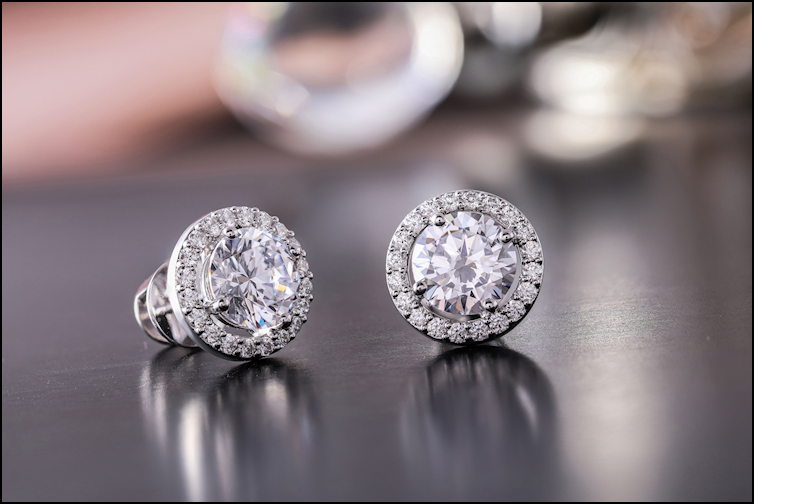
- Diamond Essentials: Diamond studs, bracelets, stackable rings and delicate necklaces can appeal to shoppers seeing lasting value and frequent wear. Present several sizes and price options in each to capture the widest interest.
- Engagement Rings: Valentine’s Day can provide a timely marketing opportunity for proposals. Promote consultations, custom design, financing where appropriate and clear information on natural and lab-grown diamond options.
The NRF 2026 survey also provides a helpful reference. Consumers who planned to purchase jewelry expected to spend an average of approximately $193 per purchase. For 2027, this might suggest grouping Valentine’s collections into clearly signed price groupings. Retailers should display these curated collections prominently to make gift selection as easy as possible for customers.
- Under $100: Sterling silver and small gemstone gifts.
- Under $150: Heart-shaped earrings, birthstone jewelry, charms.
These two categories appeal to customers on tighter budgets and those looking for gifts for friends or relatives.
- $150 – $500: This range offers opportunities for finer and lower karat gold items such as, gemstone earrings, stackable rings, fine gold chains.
- $500 – $1,500: Diamond stud earrings, either natural or lab-grown in a variety of clarities and carat weights, more substantial gold pieces and gemstone jewelry.
- Above $1,500: Diamond jewelry pieces, significant colored gemstone jewelry, statement pieces.
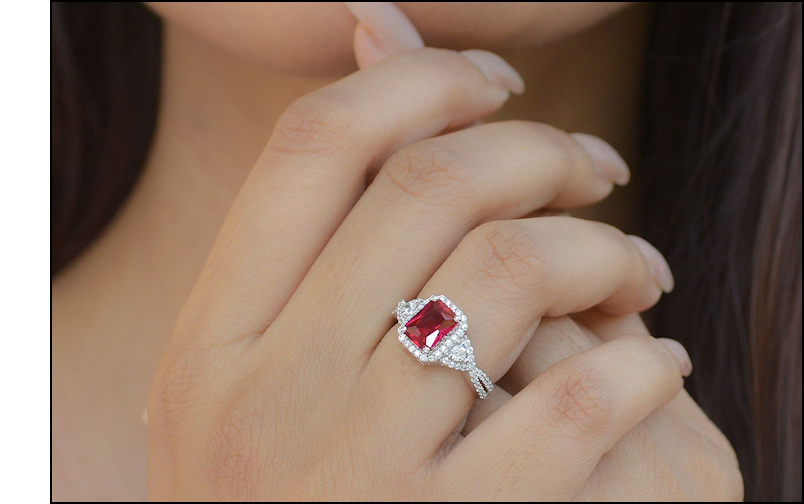 Colored gemstones can help stores differentiate their offerings. Ruby, garnet and pink sapphire reinforce romantic themes, while birthstones create a personal connection. Classic gold jewelry and diamond essentials appeal to shoppers seeking gifts that will remain fashionable long after February 14th. The key is to appeal to the emotionality and romance of the holiday.
Engagements Deserve Some Focus: Valentine’s Day is a natural occasion for proposals, but engagement ring advertising should begin well before the holiday and start right away in January. Early promotions capture shoppers who are in the process of researching diamonds, settings and budgets.
Feature engagement rings collections in dedicated romance-driven website sections and social media campaigns. Short videos can focus on the romance while educating on diamond shapes, clarities and settings. Proposal stories from customers or store employees add an emotional dimension.
Offer private consultations, virtual appointments, ring-sizing assistance and clear information on custom order timelines. For shoppers who may be working on shorter schedules, promote in-stock or vendor-stocked options to avoid promising dates that cannot be guaranteed.
Build Momentum Early and Across Channels: Planning campaigns in advance allows a retailer to hit the ground running in January, beginning with engagement ring content and gift inspiration. Increase the frequency of product-focused advertising, appointment reminders and shipping deadlines during the first two weeks of February.
One particularly useful finding from 2026 was that online shopping was the leading destination for Valentine’s Day purchases, cited by approximately 38% of consumers. Retailers should ensure that they provide an omni-channel experience to ensure that they reach consumers in a variety of habitats. A dedicated Valentine’s landing page that includes pricing, availability, gift-wrapping details, special order and shipping cutoffs can make shopping easy and straightforward.
Use email and/or newsletters to present gift guides by price, recipient and jewelry category. On social media, short videos and styling demonstrations can help shoppers imagine how pieces will look when being worn. Using geo-targeted advertising and boosted posts can reach consumers show are close enough to stop in, while retargeting strategies can reconnect with website visitors.
Promotions to Encourage Store Visits: There are a number of ways to encourage visits and create urgency, without discounting! Adding value to a visit or purchase can be as simple as complimentary gift wrapping or engraving on eligible items. Additionally, jewelry cleaning offers, extended returns and small gifts with purchase can add sales without reducing prices.
Events such as a “Saturday Gifting”, or “Couples Shopping Evening”, or “Galentine’s Brunch” can bring customers into the store. Partnerships with local florists, chocolatiers or restaurants and introduce the store to a new customer.
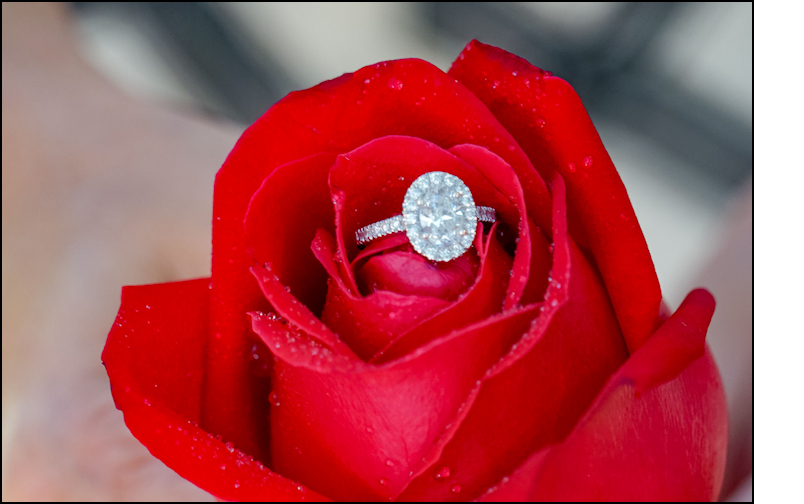 For engagement rings and higher-ticket jewelry, private shopping appointments and personalized service can be more effective than blanket markdowns. Any financing offers should feature clear terms and conditions.
Valentine’s Day 2027 offers jewelers an opportunity to build on jewelry’s strong position in the holiday spending mix. By combining appropriate price points, emotionally engaging merchandise, early advertising and customer-focused promotions, retailers can pursue immediate sales while creating relationships that continue well beyond the holiday.