





4 Things Jewelers Must Know Before Buying a
Natural Color Diamond
Content courtesy of Roy Safit, CEO Fancy Color Research Foundation
Many jewelers think that natural color diamonds are presented on a borrowed identity from colorless diamonds; But the truth is that they exist as a class of their own.
Adding natural color diamonds to inventory can give jewelers an important advantage. Value resilience is a good example. Unlike colorless diamonds, which are often more vulnerable to price fluctuations and broad market comparisons, natural color diamonds’ value is driven by rarity, visual character, and individuality. This creates a powerful opportunity, but it also requires a more responsible procurement process. Jewelers must know what they are buying, how the stone performs visually, whether the price is justified, and how to communicate its story to the client.
1. Understanding the visual assets that directly impact value
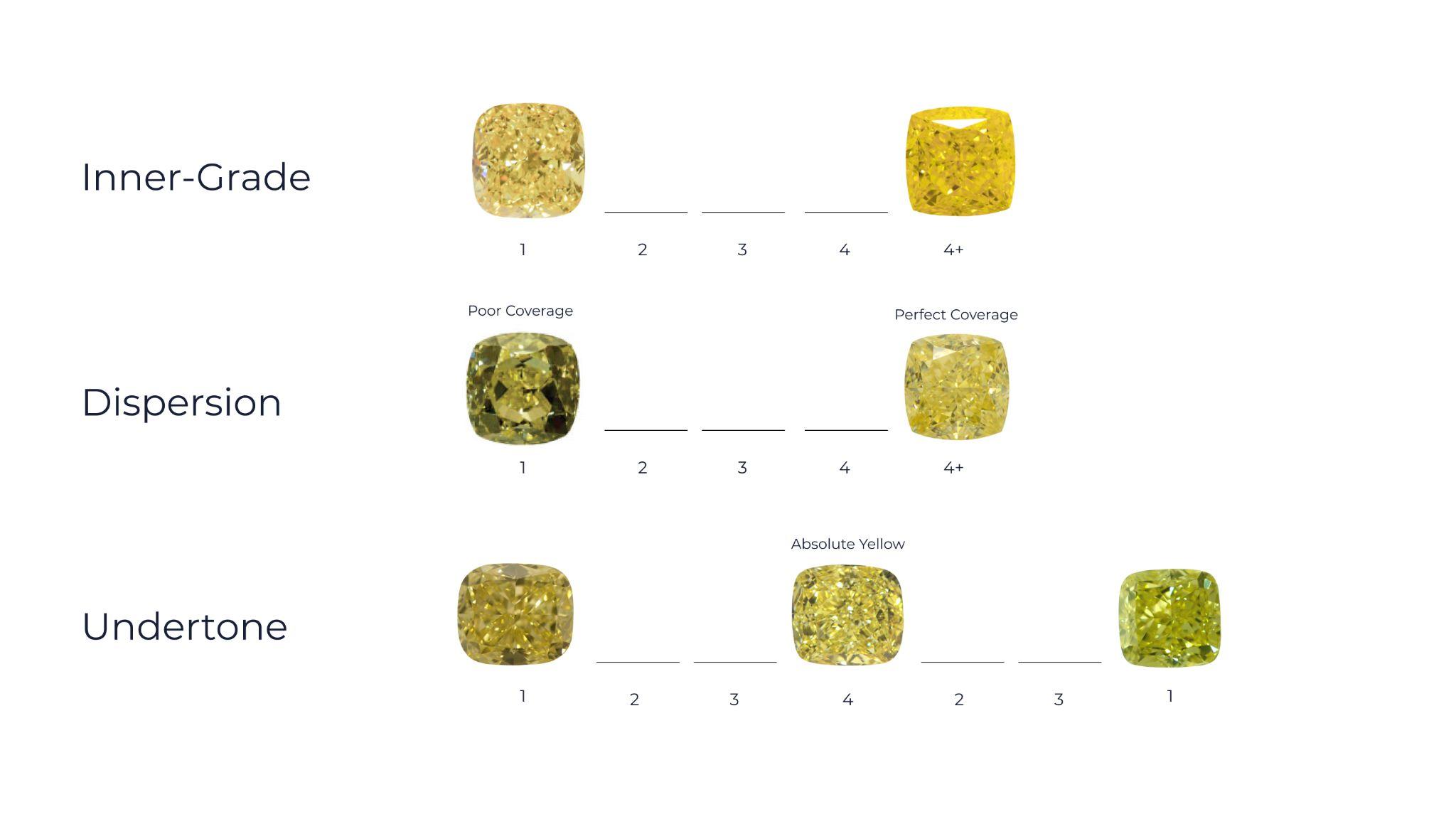
A natural color diamond goes through a classification process by a gemological lab. However, the gemological report needs another layer of interpretation to create intelligible value and meaning. First, Jewelers need to understand the three visual assets that can dramatically influence beauty, demand, and price, and are not expressed on the gemological report:
- Inner-grade: rates the richness of the color within a defined saturation grade e.g. Is it a strong Fancy Intense or a weak one
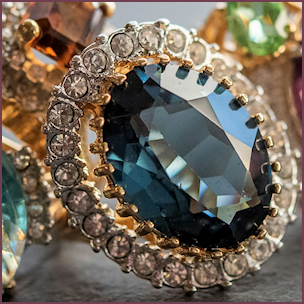
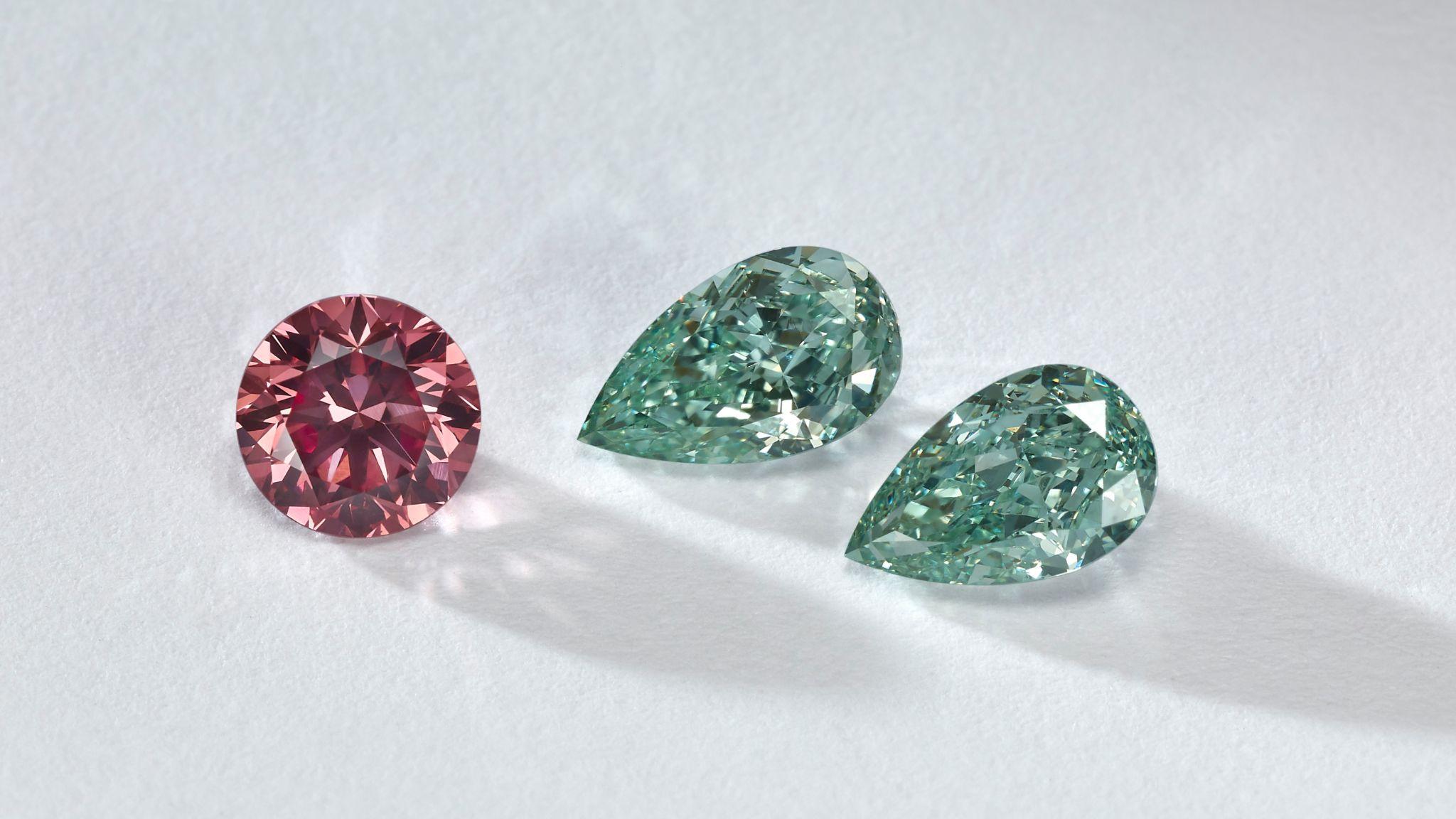
- Color dispersion: rates the extent of color presented across the surface when the diamond is viewed face-up. Does it have many colorless patches across the table? Or does it produce a full color mosaic?
- Undertone: rates the hue, or color sensation that can make two diamonds with the same color saturation grade look very different. For example in yellow diamonds, does it present a pure yellow color? or one with a greenish or brownish sensation?
2. Check the face-up presence of the diamond
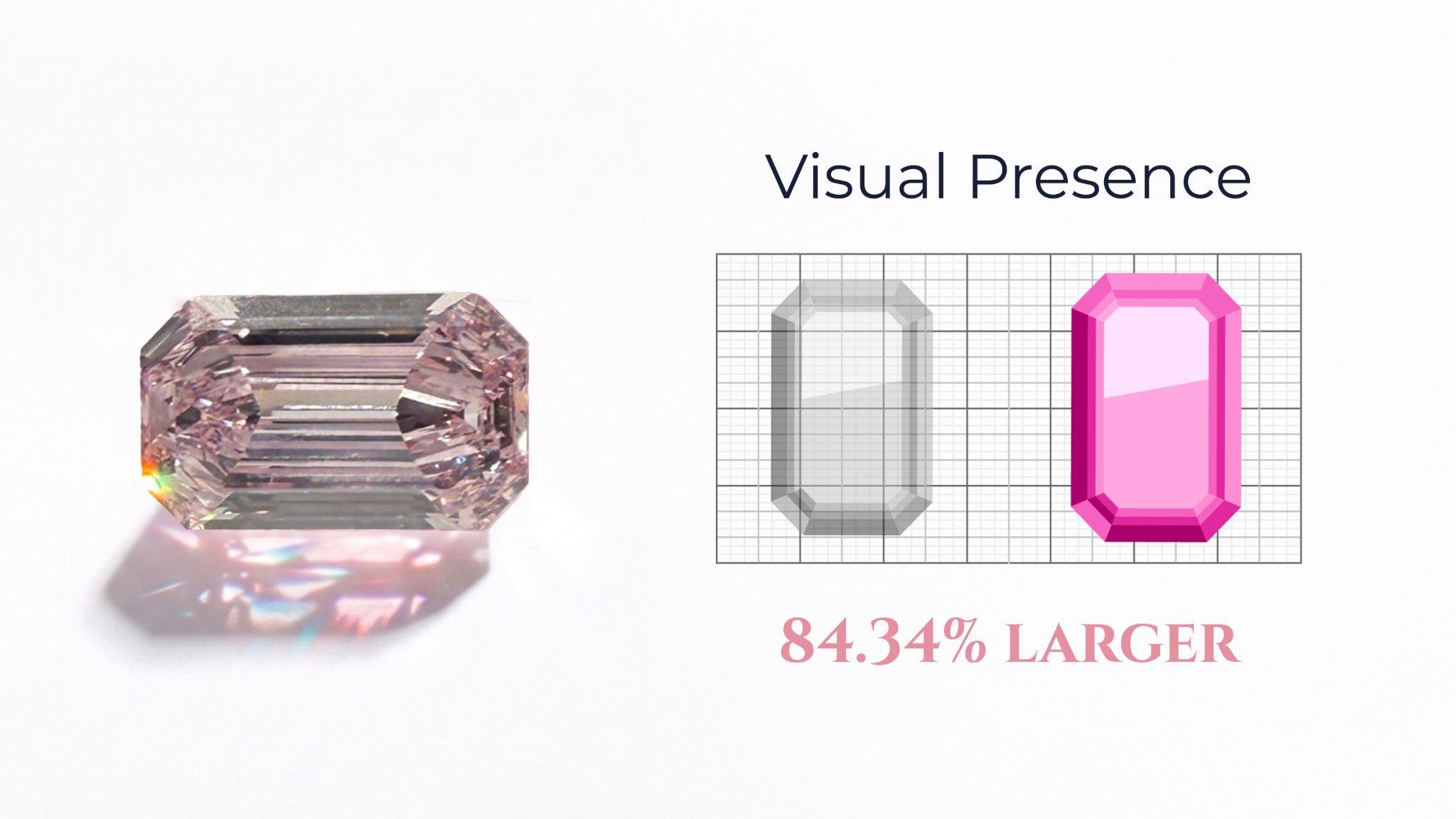
Carat weight does not always coincide with visual size. Sometimes a color diamond appears to be smaller than its carat weight and sometimes larger. Subsequently, its price may be applied with either a discount or a premium respectively. To determine this, a jeweler must be aware of it and have more relevant means to present the diamond, especially when it appears larger as it commands a premium.
3. Validate the price with a reliable source
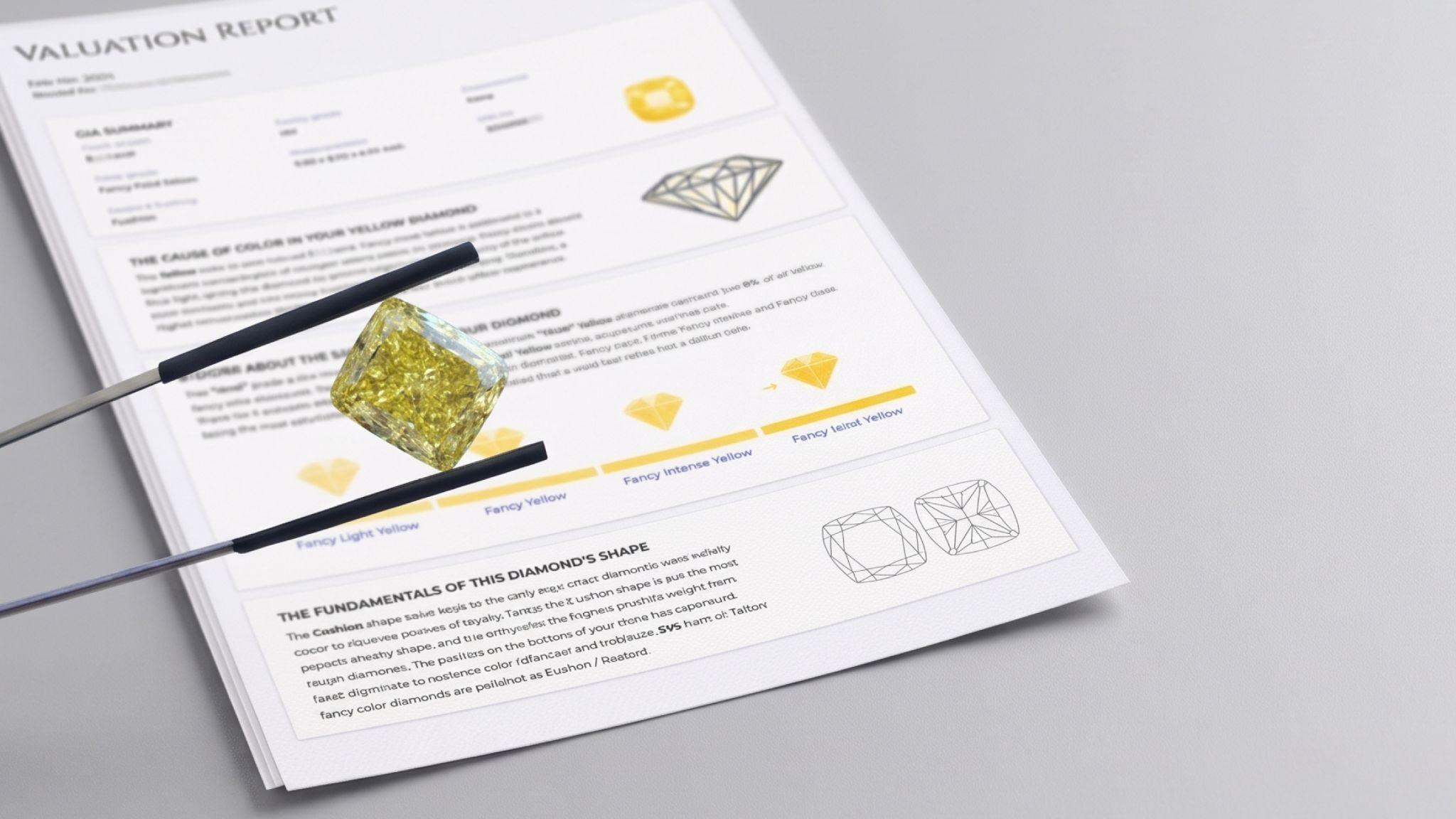
Natural color diamond pricing is highly complex. Small differences in color appearance, shape, size, fluorescence, and market demand can create major price differences. Jewelers should not rely only on intuition or the supplier’s asking price. They should validate the price through a reliable, specialized source, even before the diamond is acquired from the supplier.
4. Obtain the full story from your supplier
Jewelers should maintain a knowledge file for each natural color diamond. Ask for every available detail, such as: Country of origin, where the diamond was polished, how long the polishing process took, challenges during manufacturing, and any meaningful anecdotes connected to the stone. These details help create a stronger client presentation when the time comes, and stronger buyer affinity with the color diamond.
״In summary, it is important to remember: while colorless diamond purchase is more often approached as a functional transaction, color diamonds are usually a different story. There is either a significant event or milestone that is being celebrated or alternatively, customers are high luxury connoisseurs or collectors. In either case, an emotional connection is the key driver. Having an impactful presentation with a lasting impression starts at the procurement stage.