



Jewelry Shows Resilience Through 2026
After navigating a few years of inflation, changing consumer priorities, and fluctuating metal and gemstone prices, the U.S. jewelry retail sector entered 2026 with cautious optimism. But, as the first half of the year finalized, the category has proven that it is remarkably resilient. While discretionary spending continues to be selective, consumers are still prioritizing meaningful purchases, showing that fine jewelry is one of retail’s strongest luxury performers.
According to the U.S. Census Bureau’s Monthly Retail Trade Survey, jewelry store sales remained ahead of many of the other discretionary retail categories over the first half of 2026. Monthly sales did fluctuate with seasonal events, such as Valentine’s Day and Mother’s Day, but overall consumer demand has remained healthy despite elevated interest rates and ongoing economic uncertainty. Government retail data continues to show that jewelry has outperformed other categories, such as home furnishings, reinforcing the industry’s status as one of the most preferred “affordable luxuries.”
 Publications focused on the jewelry trade also echo this assessment. JCK Magazine reports that independent jewelers experienced solid bridal demand during the spring selling season and benefitted from the continued consumer interest in self-purchasing and milestone gifts. In a JCK article rounding out 2025, Alexis Padis of Padis Jewelry noted that, “we’re seeing a ‘fewer, better things’ mindset, with people buying with intention, not impulse”. National Jeweler reports that affluent consumers remain willing to spend on quality pieces, even as middle-income shoppers become more selective and value-conscious.
The emerging mindset of consumers willing to invest in fewer, but better pieces, benefits the retailer. Rather than chasing fashion trends alone, shoppers are gravitating toward jewelry that carries emotional significance and long-term value. The retail environment provides the ability to tell compelling stories and offer more personalized services. This gives an advantage in selling, as well as the opportunities to differentiate.
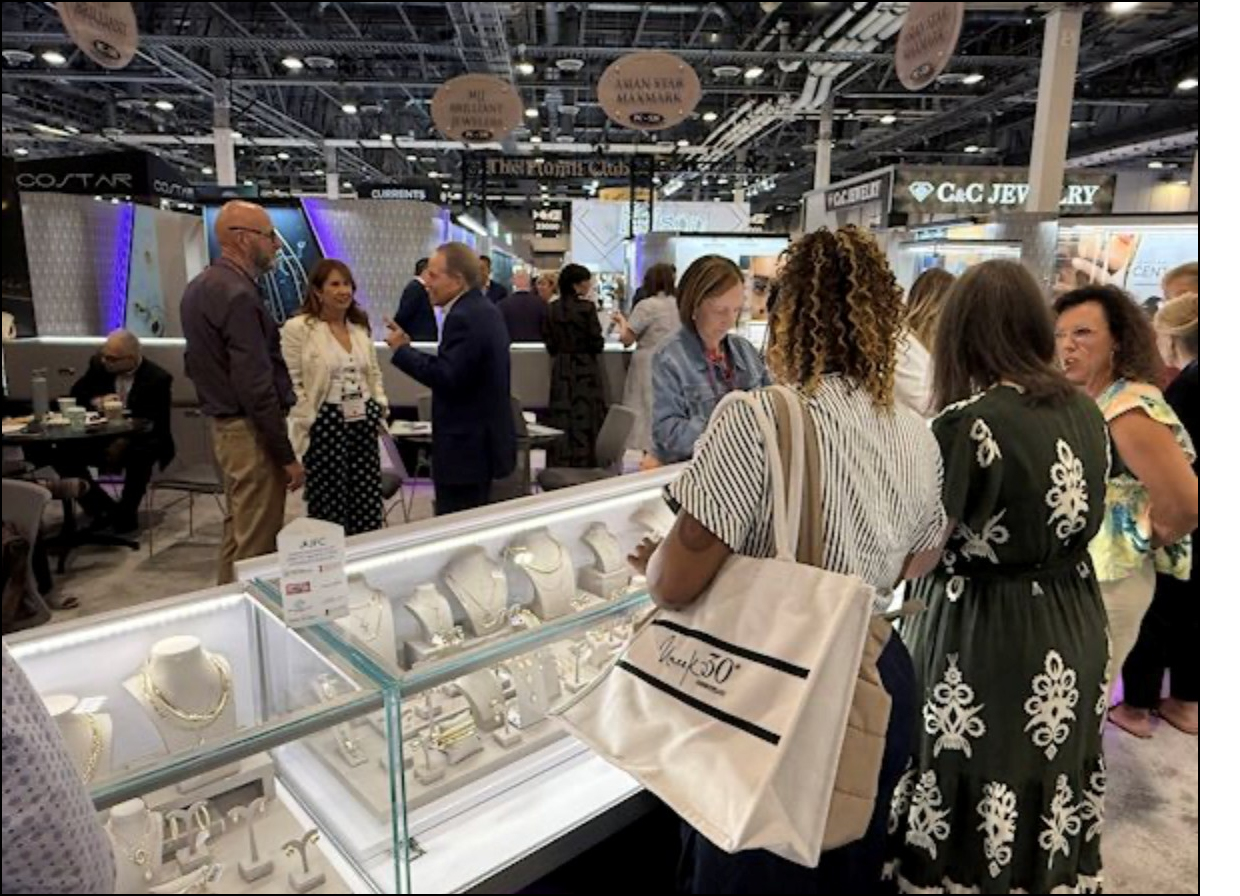
Attendance and business at the mid-year jewelry shows also underscore this positive momentum. According to Jennifer Hopf, event director for the JCK show, “JCK 2026 was a real reminder of how strong the industry is right now. Exhibitors came in with full appointment schedules, retailer engagement was high, and the business being done on the floor backed that up. The attendance numbers told the same story. We were up year over year, with double-digit growth in the first two days alone. The feedback we heard was consistent with what we’re seeing everywhere: Companies are heading into the second half feeling good, fueled by consumer demand, fresh product, and a real drive to grow.”
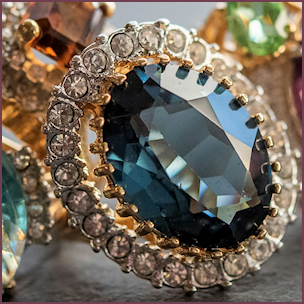
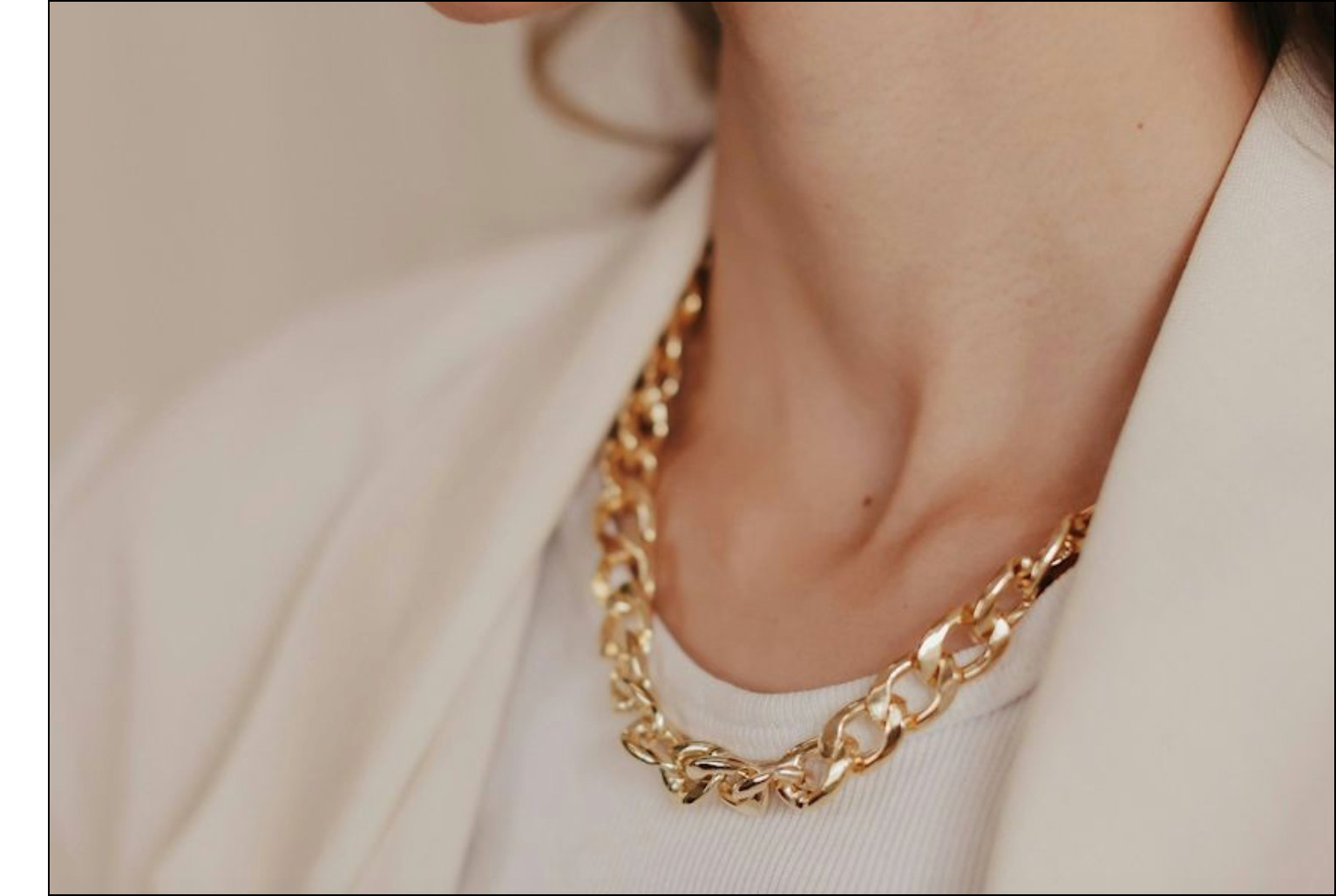
Product trends emerging from the first half of 2026, and the recent shows in Las Vegas, point toward continued strength in several categories. Yellow gold, despite metal price fluctuations, remains extremely popular with bold chains, and stackable bracelets attracting both younger customers and established luxury buyers. Ovals, pear-shapes and elongated fancy cut diamonds continue to grow in popularity. Colored gemstones of all types are gaining rapid interest as consumers seek individuality. Lab grown diamonds are settling into a more clearly defined role within the marketplace, serving a more price-sensitive and aspirational consumer, while natural diamonds continue to dominate the premium and heirloom segments.
A significant growth driver at retail is customization. Consumers increasingly want jewelry that reflects personal milestones, family connections, or unique and personal design preferences. Retail jewelers who recognize this are particularly well positioned to capitalize on the trend through custom design, remount services, engraving and repair expertise.
For the second half of 2026, the industry analysts are somewhat optimistic. National Jeweler reports that retailers are planning more cautiously, emphasizing proven sellers and maintaining flexibility to respond to changing customer preferences, while JCK observes that retailers are entering the second half of the year in healthier inventory positions than in previous years.
 The fourth quarter will once again determine the industry’s overall performance. Holiday shoppers are expected to remain prudent but be willing to spend on meaningful gifts that celebrate relationships and life events. Fine jewelry has historically benefited from this emotional purchasing behavior, and many retailers expect engagement rings, diamond fashion jewelry, personalized gifts and colored gemstone collections to perform well during the holiday season.
Consumers also continue to prioritize experiences alongside the tangible purchase. Jewelry occupies a quintessential position in commemorating those experiences – engagements, anniversaries, graduations, birthdays, and personal achievements. That emotional connection provides an advantage that few other luxury categories can match.
For jewelry retailers, 2026 success will rest less upon the broad economic conditions, and more upon executing the core fundamentals flawlessly: maintaining curated inventories, emphasizing customer relationships, communicating value beyond price, and leveraging customization to create unique purchases and experiences. The first half of 2026 illustrates that consumers have not lost their desire for fine jewelry, and retailers that continue to focus on quality, service, and storytelling are well positioned to finish the year on a strong note.