






The Color Opportunity
How Desert and Fancy Color Natural Diamonds Expand Premium Selling
Natural diamonds have always united beauty, rarity, and emotion. Colored natural diamonds add a fourth dimension that today’s clients increasingly want: individuality. For independent retailers, that creates a tangible commercial opening — a way to present natural diamonds as fresh, design-led, and personal, without giving up the authenticity and rarity that make the category compelling in the first place. Provenance strengthens that appeal even further: knowing where a diamond comes from, how it was sourced, and the journey it has taken from mine to market adds a layer of trust and meaning that resonates with modern consumers. It allows retailers to tell a richer story — one that connects craftsmanship, origin, and ethics alongside design.
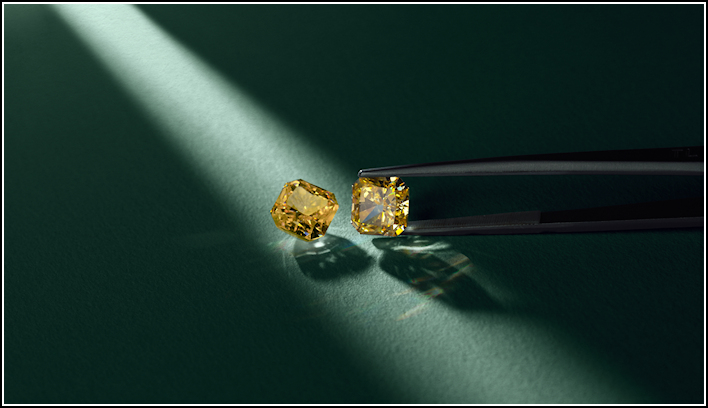
De Beers’ Desert Diamonds campaign points directly at this opportunity. The collection arranges creams, champagnes, honeys, and cognacs in flowing gradients that feel modern and wearable. These are not compromised colors — they are a distinct aesthetic, and one with a powerful supply-side advantage. Lower-color natural diamonds become available in larger sizes at more accessible price points than their colorless equivalents, which means a retailer can offer a client more visual presence, more storytelling, and more individuality for the same budget, now enhanced by a clear and compelling narrative of origin.
Color is not a trade-down. It is a deliberate style choice — and a margin opportunity.
Why the Category Matters Now: Fancy color is not a fringe niche. The Natural Diamond Council estimated the wholesale value of fancy color diamonds entering the market in 2024 at $4.5 billion — a meaningful category in its own right, and one anchored in genuine rarity. Only 0.0001% of diamonds, for example, exhibit a pink hue. When a client understands that a color is naturally occurring and scarce, the conversation moves beyond fashion and into significance and collectability.
Color also enables a more flexible assortment ladder: approachable champagne-to-white gradients in fashion pieces, honey and cognac palettes in pendants and earrings, stronger saturation in statement designs, and truly rare colors at the collector tier. Every step of that ladder is a premium-selling opportunity that a uniform colorless case simply cannot create.
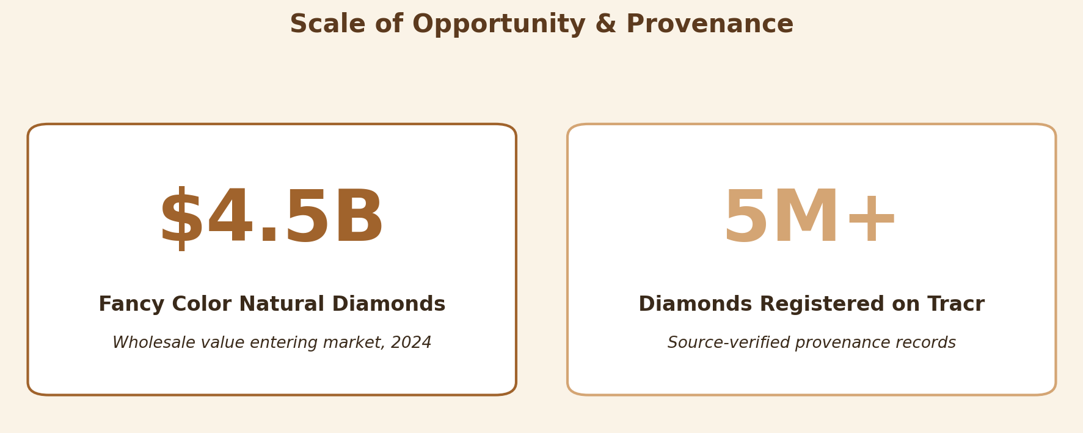
Figure 1. Sources: Natural Diamond Council; Tracr.
The Desert Advantage- Within the broader color category, warm-tone desert diamonds are the most practical opportunity for independents. The palette is commercially accessible in ways that vivid pinks and blues are not — available in meaningful quantities and, critically, in larger stone sizes. In a desert setting, where the gradient itself is the story, those warmer tones are not incidental. They are the feature.
This is also where independents can build real separation from the chains. Larger retailers default to colorless, high-grade assortments because their volume buying is structured that way. A champagne-to-cognac line bracelet, a honey-toned pendant, or a Desert Diamond–inspired stacking set are not pieces a client finds everywhere — and that exclusivity, combined with natural-diamond provenance, is a meaningful selling proposition.
The sales conversation becomes richer too. Instead of grading the absence of color, associates can talk about the presence of it: where the warmth comes from, how it varies stone to stone, why no two desert pieces are identical. These are the conversations that build loyalty and referrals — and they are conversations only a natural diamond can credibly support.
Trade-up Potential at the Counter: Recent U.S. data shows consumers continue to respond when product feels distinctive and worth the premium. Desert and fancy color align directly with that shift. They create trade-up moments: a client may walk in considering a conventional fashion piece and move upward when shown a warm gradient that feels more individual and less interchangeable. This is especially powerful for clients who already own the staples — the studs, the tennis bracelet, the classic pendant — and are now looking for something that feels personal.
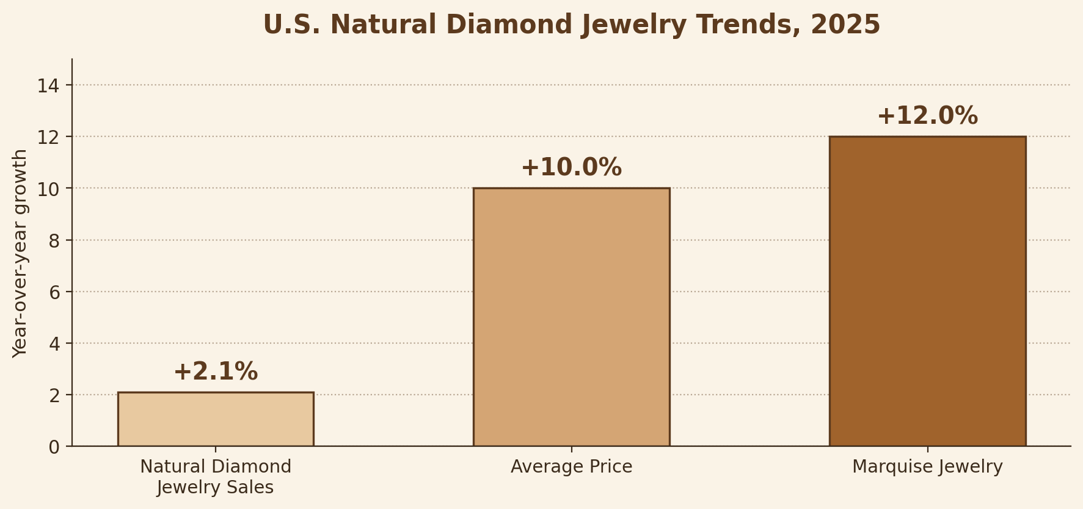
Figure 2. U.S. natural diamond jewelry trends, 2025. Source: Natural Diamond Council, Tenoris market data.
Where Traceability Strengthens the Story: Color naturally invites deeper questions: Why this hue? How rare is it? Where did it come from? That is where provenance turns a beautiful piece into a confident sale. Tracr has registered over 5 million diamonds at source, with country-of-origin data available across De Beers and ODC supply, building the infrastructure that lets retailers move every natural diamond conversation toward origin, rarity, and authenticity. As that platform expands, color and provenance reinforce each other — both signal that this diamond is genuinely rare, and one of a kind.
The Takeaway for Retailers: Fancy color and Desert diamonds should not sit on the side of the case. They are a practical way to differentiate the assortment, create trade-up moments, and bring fresh energy to premium natural-diamond selling. The warm-tone desert story — champagne, honey, cognac — is the most accessible entry point, combining design appeal with larger stone sizes and stronger margins. When supported by clear provenance and traceability, these pieces offer more than visual appeal; they give clients confidence in origin and reinforce the rarity behind each stone. That is what makes the color opportunity commercially relevant: it is not only attractive — it is sellable.