Falling for Fashion
At press time, a month of the most important international fashion weeks—New York, London, Milan, and Paris—had just ended, giving fashionistas and trend watchers a peek at the couture that will be in stores by spring 2026. Among the newness? Celestial themes, metallic gold, bright colors, feathers, high necklines, goth, and the color cerulean blue makes a comeback just in time for the filming of “The Devil Wears Prada 2” (here’s that infamous clip from the first film).
While trends like feathers can be tough to translate in jewelry unless you mimic their motifs in metal, all can still serve as inspiration for jewelry sales. Have a color trend? Easy-peasy—color-block jewels with it or suggest tone-on-tone variations (aquamarine or blue zircon on a cerulean frock). What to do with high necklines on attire? Perch a dramatic earring on the wearer’s ear, since they’re sporting the perfect platform for that style of jewel to shine. And celestial themes … well, that’s another easy one since the moon, stars, and zodiac signs are perennial favorites among fine-jewelry designers. There are many ways for merchants to use couture runways as talking and sales points for jewelry, and these are just a few options.
Manufacturers are routinely in the know, whether they overtly use trend hooks or not in promotions.
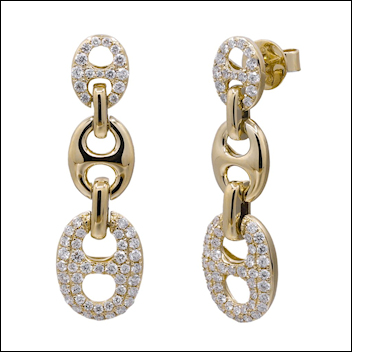
Cirari / Color Jewels
Mark Funk of Cirari/Color Jewels leans into the PANTONE Color of each year, which follows fashion week trends and is unveiled annually in December.
“We show the color a little bit on Instagram and use it in product design and direction,” says the company vice president of sales and marketing. “Our design team will look at it and say, ‘We need to take our top 20 styles and produce them in the PANTONE color and design new styles around it.’”
Then, more than dozen sales reps on the road meet with retailers to discuss the newest styles, using outlined scripts or calling out specific points of sale that can help move the new looks at the counter.
At Everspark, a bridal jewelry maker and sister company to Samuel B., a manufacturer of Balinese-inspired silver jewelry, one stumbling block can impede sales of new fashion directions: nationwide locations.
“Sometimes trends don’t translate to certain parts of the country,” observes Matthew Behnam, president.
Behnam, like many others in manufacturing, notes a lag in what’s hot on the coasts versus what’s selling in the in-between states. Nearly 100% of what they make, however, is dictated by consumer desire.
“We make a ton of jewelry, and upwards of 200 custom pieces each year,” he explains.
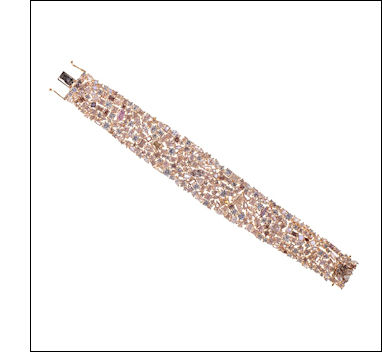
Cirari /Color Jewels
Top of their list right now? It may sound “weird,” he maintains, but hands are hot.
“We took two different orders today for custom hands,” he says. “When we want to know direction, we look at our custom orders. Right now, it’s hands holding a heart, dangling hand earrings holding sapphires.”
Regardless of trends, location, or time of year, Behnam’s goal is always the same: deliver what the client wants and needs to move merchandise.
“We do a lot of private label manufacturing,” he adds. “We are the invisible backbone of stores.”